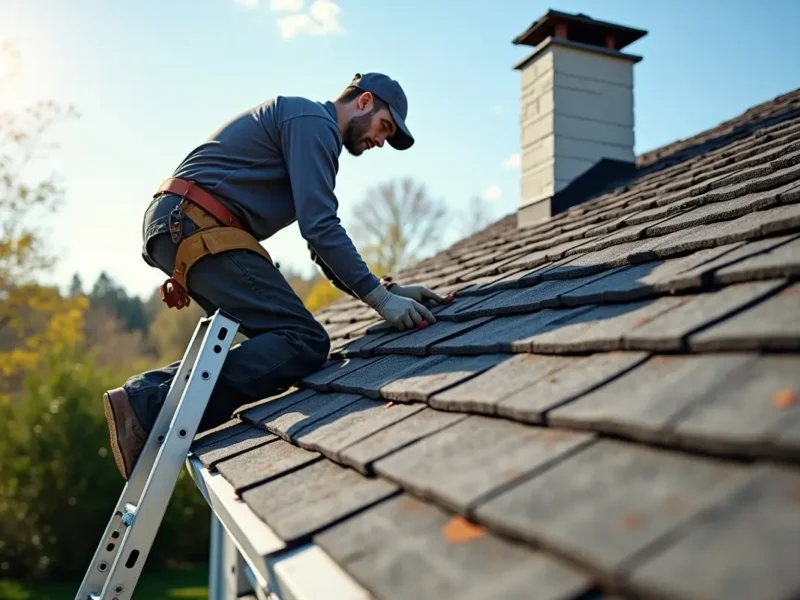
Many homeowners focus on visible aspects of property maintenance, such as landscaping or interior upgrades, while the roof often goes overlooked. However, regularly inspecting your roof is an essential, cost-effective measure that can protect your home and finances in the long term. Conducting regular inspections with a qualified roofer can make a significant difference by preventing problems before they arise and mitigating expenses when issues do emerge.
Scheduling roof inspections is about more than just spotting leaks or missing shingles. These proactive checks help owners maintain the integrity of their homes, extend the life of vital structural elements, and avoid unexpected and expensive repairs that can result from neglect. Recognizing the importance of routine roof care can ultimately save homeowners thousands of dollars over the life of their property.
Moreover, a regularly maintained roof contributes positively to a home’s overall performance, from improving energy efficiency to enhancing resale value. In today’s real estate market, these factors are vital considerations for property owners seeking to maximize their investment returns.
Understanding how regular roof inspections compare with other forms of property maintenance is also helpful. For those unsure where to find reputable professionals, exploring options among established roofing Companies can ensure that the job is completed with expertise and thoroughness.
Contents
Early Detection of Issues
One of the most direct ways roof inspections save money is by detecting problems early. A small roof leak, loose flashing, or a handful of missing shingles may seem insignificant at first, but can quickly escalate into major structural damage if left unchecked.
Homeowners who overlook these warning signs may face water damage, mold growth, or compromised insulation, all of which are expensive and time-consuming to fix. By catching such problems early, routine inspections help avoid significant financial outlays and minimize the disruption to daily life that large repairs entail.
Extending Roof Lifespan
The lifespan of a typical roofing system can range from 20 to 50 years, depending on materials and climate conditions. Proactive maintenance enabled by inspections can add years to a roof’s operational life, delaying the need for a full replacement. For homeowners, this translates to spreading the substantial cost of roof replacement over a longer period, reducing the financial shock and making it easier to budget for future upgrades or improvements.
Improving Energy Efficiency
The condition of the roof heavily influences a home’s energy efficiency. Cracked, warped, or missing shingles can let warm or cool air escape, forcing heating and cooling systems to work harder. Regular roof inspections keep the building envelope intact, supporting thermal efficiency and helping manage energy consumption. This results in lower utility bills month after month. Additional information on energy saving through roof improvements is available from the U.S. Department of Energy.
Enhancing Property Value
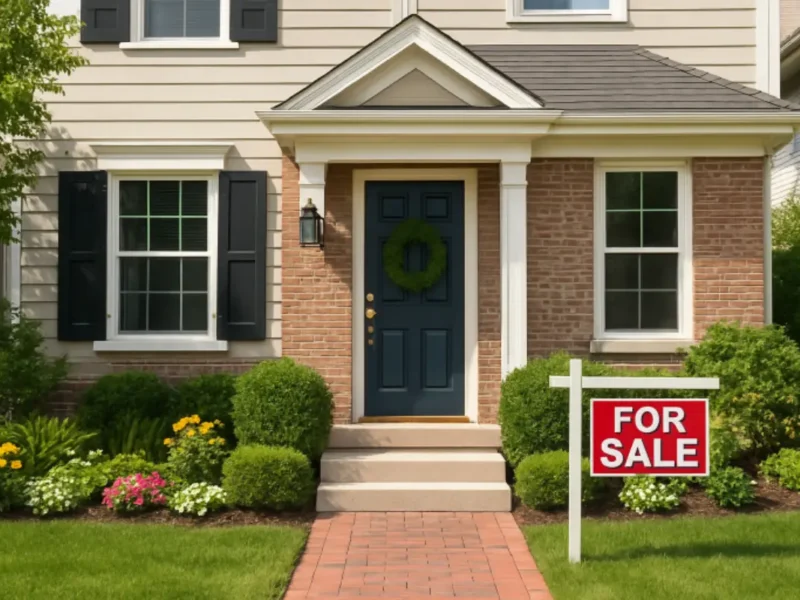
A well-maintained roof enhances a home’s curb appeal and structural integrity, both of which are important to prospective buyers and appraisers. When it is time to sell, a roof in good condition is a strong selling point and can enable a higher asking price. Even if a sale is not imminent, keeping the roof in top shape preserves the home’s marketability and protects the long-term value of the investment.
Insurance Benefits
Insurance companies may offer policy benefits or discounts to homeowners who can demonstrate a pattern of regular roof maintenance. If weather or other hazards cause damage, having up-to-date inspection records can smooth the claims process and ensure coverage is not denied due to neglect. Inspections provide a documented baseline that can be valuable when communicating with insurers about preexisting conditions or maintenance efforts.
Recommended Inspection Frequency
Experts generally recommend that homeowners schedule professional roof inspections at least once every year, or after major weather events such as storms, hail, or heavy snowfall. It is wise to choose a seasonal pattern, with inspections in either spring or fall, to prepare for upcoming temperature shifts. In regions prone to severe weather, more frequent checks may be necessary to safeguard both the roof and the overall home investment.
Choosing a Professional Inspector
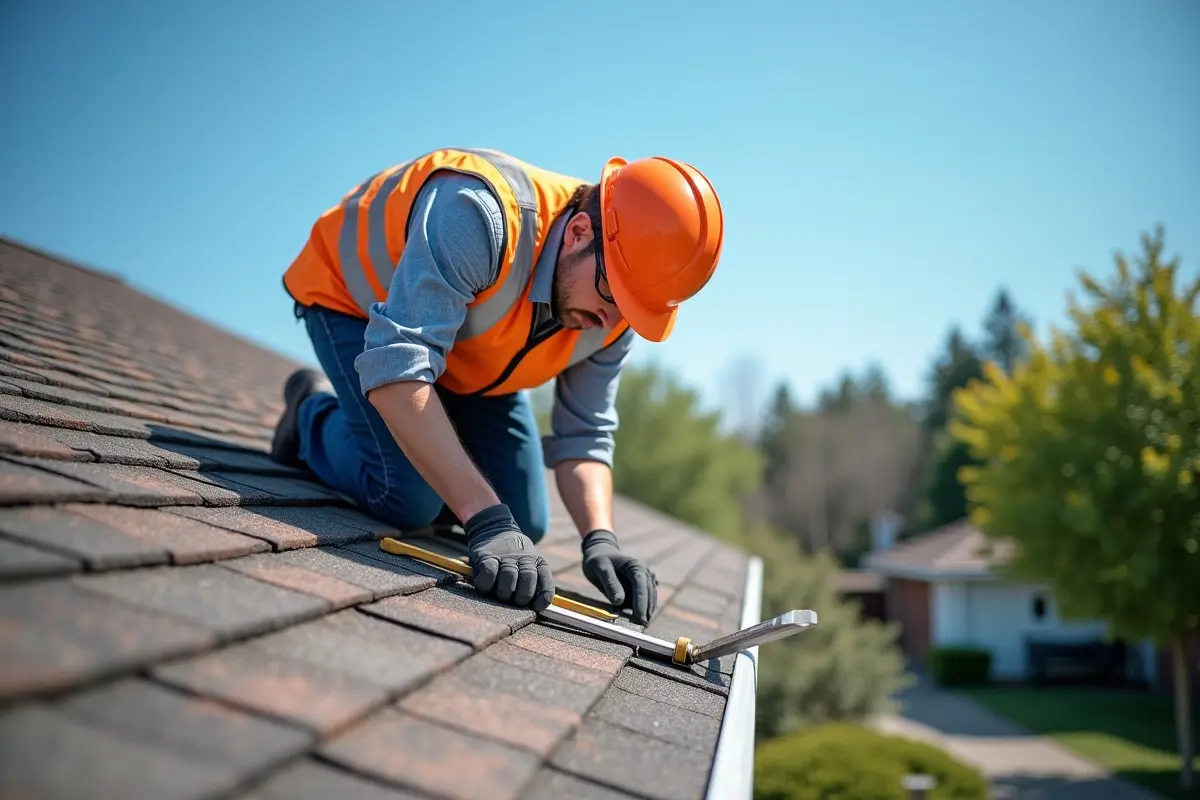
Finding the right professional to conduct a roof inspection is critical to ensuring a detailed, accurate assessment. Homeowners should seek licensed, insured inspectors with positive reputations and substantial experience.
A comprehensive inspection should address not only the roof surface but also its underlying structures, including flashing, gutters, and ventilation systems. Comparing multiple providers and asking about their inspection process can help homeowners select a reliable expert who delivers thorough results.
Conclusion
Investing time and a modest expense in regular roof inspections is a smart, financially prudent strategy for homeowners. By identifying developing issues early, enhancing energy performance, and preserving property value, routine professional checks can yield substantial savings and long-term assurance. Proactive care ensures the roof continues to protect the home, contributes to its aesthetic appeal, and helps maintain its value for years to come.