Regular upkeep of your roof plays a vital role in protecting your home from harsh weather and potential long-term damage. Taking proactive steps and recognizing issues early can help homeowners avoid expensive repairs and sustain the structural integrity of their property. If you are thinking about getting expert advice or repairs, consulting with a professional roofer can provide peace of mind and ensure your roof gets the attention it deserves.
Roof issues can vary widely, from minor leaks to more significant structural concerns. By understanding how to assess your roof’s condition and respond appropriately, you can extend its lifespan and cut down on unnecessary expenses. This guide walks you through best practices for roof inspection, repair, safety, and choosing appropriate materials, helping you make informed decisions.
Effective roof care is about more than responding to problems. Routine maintenance and early detection can make all the difference for home value and safety. Staying informed and equipped with the right knowledge means you’ll know when to tackle jobs yourself and when it’s prudent to seek help from specialists. Homeowners seeking a trusted resource for local roofing needs can benefit from understanding what regular maintenance involves and the signs that a roof may need professional intervention.
Importance of Regular Roof Inspections
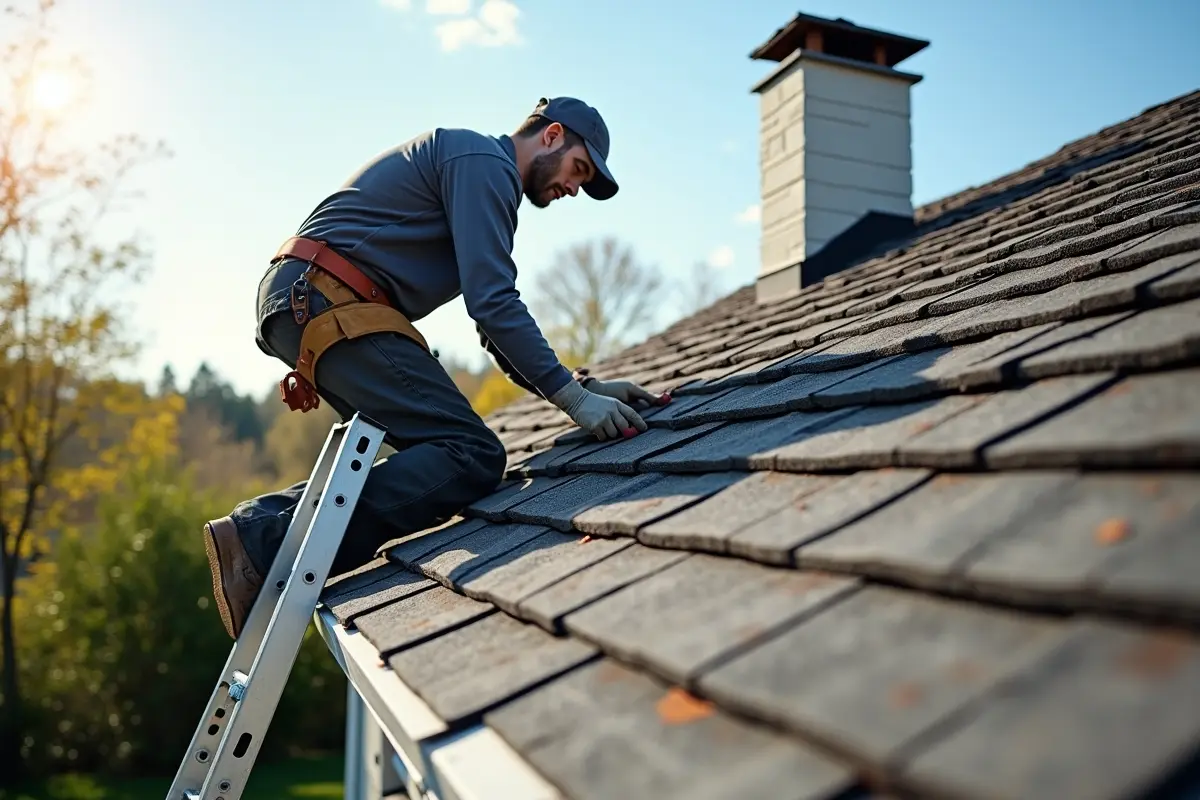
Inspecting your roof twice a year is widely recommended to catch potential weaknesses early. These routine checks, ideally in spring and fall, allow you to spot cracked, missing, or curled shingles, rusted or loose flashing, and signs of moss or algae. Timely intervention stops minor problems from turning into high-cost emergencies later on.
According to the National Roofing Contractors Association, regularly scheduled roof assessments enhance long-term performance, particularly after major weather events. Documenting each inspection helps you track minor wear and maintain warranty coverage when available.
Common Roofing Issues and Their Solutions
Understanding what might go wrong with your roof is essential. Here are the most frequent problems homeowners encounter:
- Leaky Roofs: Water infiltration often manifests as discolored patches on your ceiling or walls. Start by tracing stains back to the source, then patch leaks with high-quality roofing cement or by replacing broken shingles.
- Shingle Damage: Broken, missing, or blistered shingles let in moisture. Fortunately, replacing damaged shingles yourself is straightforward, provided you match materials and install them securely.
- Faulty Flashing: Flashing around skylights, chimneys, and vents may deteriorate, leading to water intrusion. Resealing or swapping worn flashing maintains a tight seal and prevents leaks.
For more advice on managing specific roof leaks, refer to this resource from Bob Vila: 4 Tips for Repairing a Leaky Roof Yourself.
DIY vs. Professional Repairs
Some roof repairs can safely be managed by homeowners, such as replacing a few shingles or reapplying sealant to a minor leak. These projects require only basic tools and a ladder. However, tasks involving widespread damage, sagging structures, or electrical hazards should be left to licensed contractors. Attempting complex repairs yourself can pose serious safety risks or worsen the issue.
Always weigh the scope and complexity of the repair against your comfort and capability. In cases of doubt, the cost of hiring a qualified contractor is a worthwhile investment in your home’s future.
Safety Precautions for Roof Repair
Roof repairs can be risky, especially for those not accustomed to working at heights. Always use a sturdy ladder, wear rubber-soled footwear, and consider a safety harness for jobs on steeper roofs. Avoid working in damp, icy, or windy weather to reduce accident risks. If a task feels unsafe, hire a professional.
Preventive Maintenance Tips
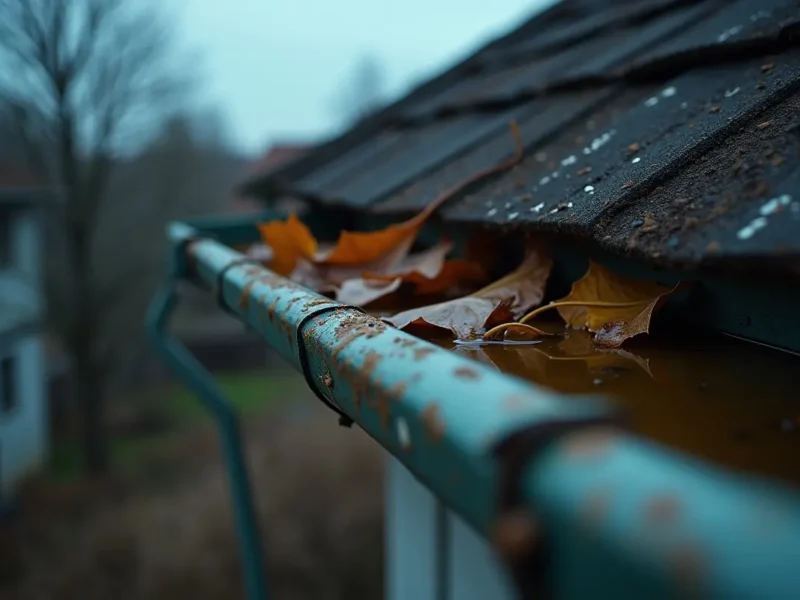
- Keep Gutters Clean: Debris in gutters and downspouts can cause water to back up and damage the roof’s edge. Clean them routinely, especially after leaf fall or major storms.
- Trim Surrounding Trees: Overhanging branches can scrape shingles and lead to the accumulation of leaves and twigs, which trap moisture and encourage rot.
- Monitor Attic Ventilation: Adequate airflow prevents condensation buildup, which in turn minimizes the risk of mold and deck rot in your attic.
For a seasonal checklist of preventive action items, see this resource: A Complete Spring Home Maintenance Checklist.
When to Consider Roof Replacement
As your roof ages, maintenance may no longer provide enough protection. Signs that it is time for a full replacement include persistent leaks despite repairs, multiple missing or broken shingles, or visible sagging. Replacing an old or damaged roof early can prevent interior water damage, mold growth, and decreased energy efficiency. Consult with an expert to confirm the best timing and options.
Choosing the Right Roofing Materials
Modern roofing materials range from classic asphalt shingles and wood shakes to metal or even clay tiles. Each option suits different home styles, climates, and budgets. Asphalt shingles are affordable and effective, but may have a shorter lifespan than metal roofs, which offer durability and energy efficiency. Consider your region’s weather, your budget, and desired aesthetics when selecting new materials.
Conclusion
Taking proactive steps with your roof can save you money and keep your home secure for years to come. Scheduling regular inspections, addressing issues early, and following essential maintenance recommendations all contribute to a dependable, long-lasting roof. When in doubt about repairs or replacements, consult a professional for guidance and peace of mind.