
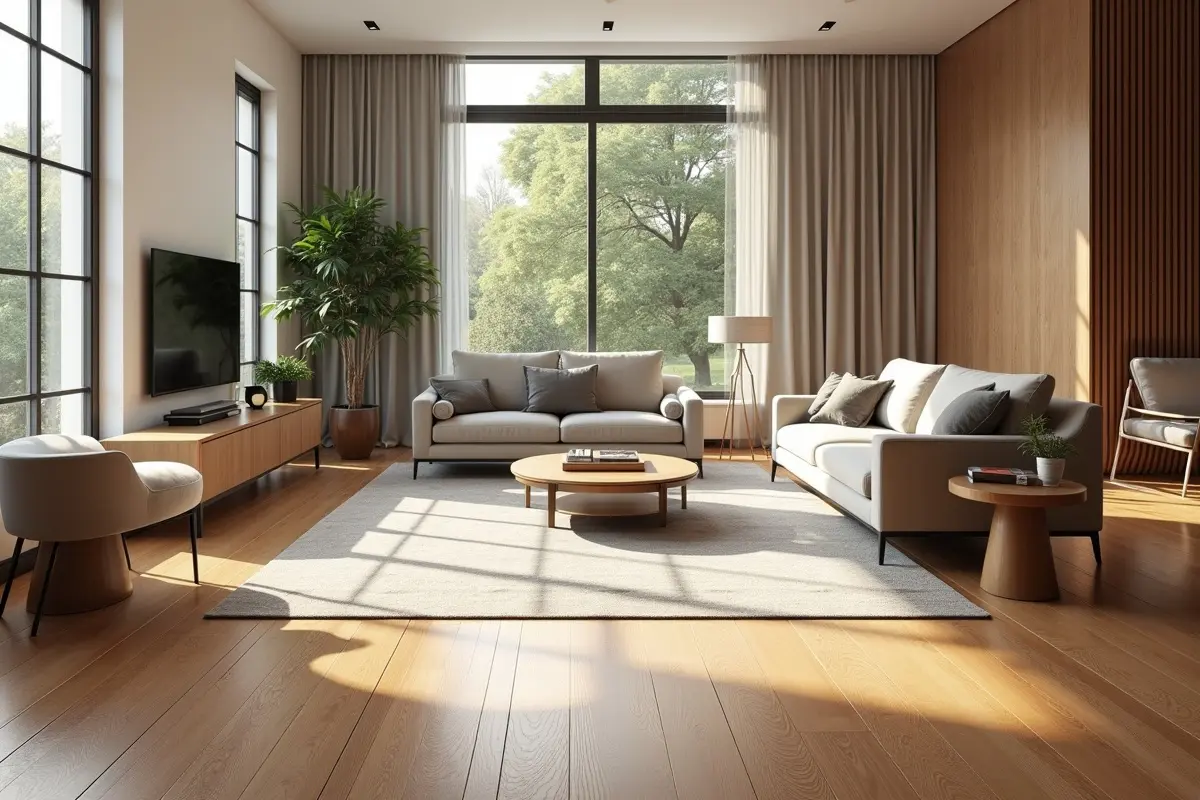
When designing a home or workplace, floors are often chosen for their appearance. Yet, flooring reaches far beyond its visual impact. The materials underfoot contribute directly to our comfort, support our health, and influence how we feel in our daily environments. Decisions made in flooring selection can shape everything from our physical well-being to the air we breathe indoors and our overall quality of life. Learn more about how the right flooring can enhance health, comfort, and daily living.
As research into how built spaces affect human health grows, flooring stands out as one of the most important elements to consider. It not only enhances visual appeal but also lays the foundation for safe, healthy, and uplifting interiors. Whether you live in a busy household or outfit an office, choosing the right materials transforms your space into one that supports wellbeing on many levels.
Contents
Physical Comfort and Ergonomics
Physical comfort begins from the ground up. The firmness, flexibility, and shock absorption of a floor affect how our bodies feel with every step. Hard flooring surfaces like ceramic tile, concrete, or traditional hardwood, although sturdy, provide less give underfoot. Over time, these surfaces can contribute to joint fatigue, backaches, and even more serious musculoskeletal problems, especially for those who spend long hours standing or walking.
In contrast, resilient flooring materials, such as cork, rubber, or cushioned carpet, act as buffers against repetitive impacts, promoting ergonomic benefits for all occupants. These solutions provide softness, reduce stress on the body, and support improved posture and movement, particularly in high-traffic areas like kitchens and offices.
Impact on Indoor Air Quality
The floors beneath our feet also alter the quality of the air we breathe. Many flooring options, especially traditional carpets, vinyl, and laminate, can off-gas volatile organic compounds (VOCs), which are commonly linked to respiratory irritation and other health risks. Opting for low-VOC or non-emitting flooring products, such as some certified carpets, real wood, or high-quality linoleum, promotes cleaner, safer indoor environments.
Besides emission concerns, different floor types vary in their ability to harbor allergens such as dust mites and pet dander. Smooth-surfaced floors, such as hardwood or laminate, allow for easier and more thorough cleaning than fibrous materials, making them an ideal choice for anyone who struggles with allergies or asthma.
Acoustic Considerations
Sound can significantly influence mood and productivity. Floors play a surprising role in regulating how sound travels and is absorbed within a room. Hard materials like stone or porcelain tend to amplify footsteps, voices, and dropped objects, sometimes leading to echoes or increased noise levels. This can be distracting, especially in multi-story homes or office buildings. Choosing sound-absorbing floor coverings, such as certain carpets, area rugs, or cork, can dampen excess noise, reduce stress, and foster a calmer ambiance.
Safety and Slip Resistance
Safety considerations are fundamental when evaluating flooring options, especially in areas exposed to frequent moisture, such as kitchens, entryways, and bathrooms. Using floors with slip-resistant finishes reduces the risk of slips or falls, a key concern for families with children, older adults, or individuals with mobility challenges. Materials like textured vinyl, specialized tiles, and rubber flooring offer extra traction and are designed to minimize accident risks, ensuring peace of mind for everyone at home or work.
Biophilic Design and Mental Wellbeing
Mental well-being benefits from connections to the natural world, even within indoor spaces. Biophilic design encourages integrating natural materials, patterns, and colors to evoke calming and restorative sensations. Flooring with wood-grain, stone-like textures, or organic patterns can help create grounding, tranquil interiors. These elements not only enhance aesthetics but also reduce stress and improve mood, fostering spaces that feel harmonious and rejuvenating.
Maintenance and Longevity
Low-maintenance flooring relieves the ongoing stress and time commitments of cleaning and repairs. Durable materials, such as quality laminate, porcelain tile, or engineered hardwoods, offer resilience against wear and tear. They maintain their look for years, ensuring your space remains inviting without constant upkeep. Flooring that is easy to clean and maintains its appeal over time is a wise investment, both financially and for well-being, by preventing frustration and contributing to an orderly, serene environment.
Final Thoughts
Flooring is far more than an aesthetic decision. The right flooring choice lays the groundwork for uplifting physical comfort, cleaner air, safer movement, healthier acoustics, and emotional well-being. By considering ergonomic needs, air quality, acoustics, safety features, and natural design elements, you can create a living or working environment that actively supports and enriches your everyday wellbeing.