
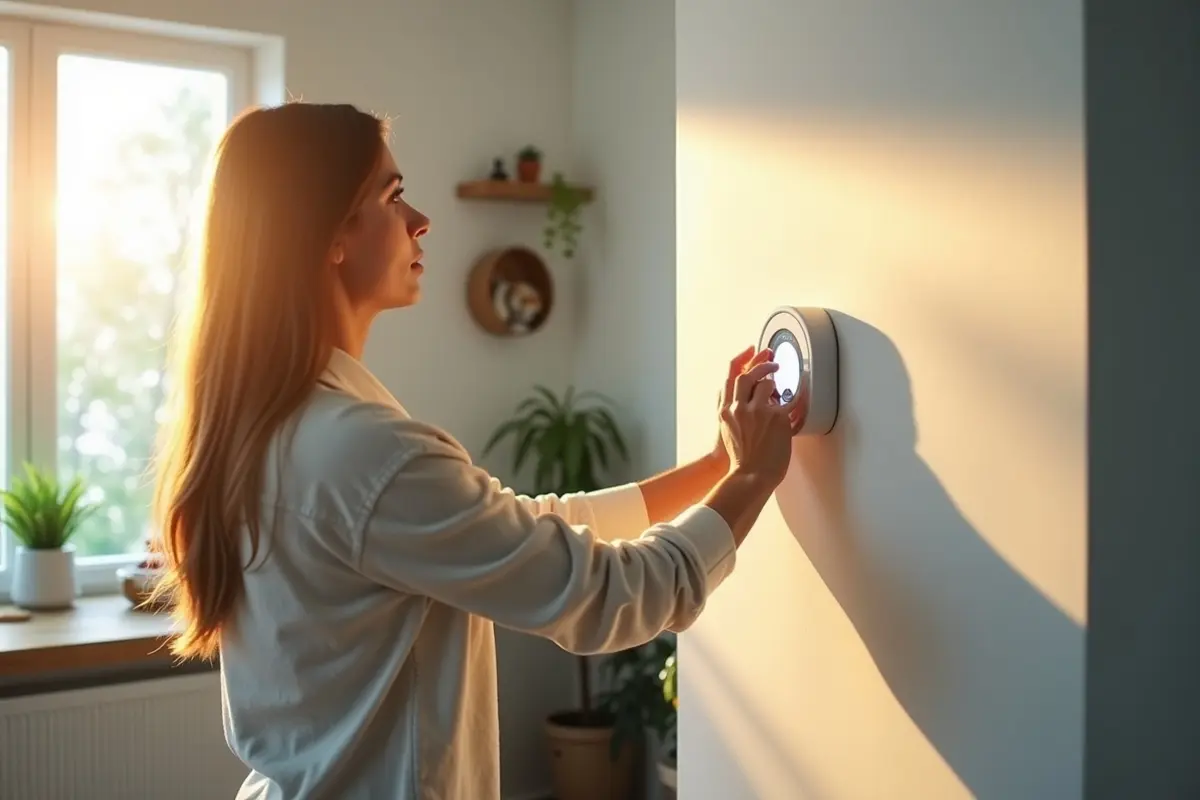
Winter in The Blue Mountains, Ontario can place steady demands on household equipment, especially when snow, wind, and below-freezing temperatures arrive together. A practical heating review before winter gives homeowners time to identify small concerns before they affect comfort during a cold stretch.
The goal is not necessarily to replace equipment. In many homes, winter readiness starts with simple tasks: improving airflow, reducing drafts, checking safety devices, and learning which warning signs call for a trained technician. These steps are useful for year-round residences, ski-season properties, and older homes with rooms that never seem to warm evenly.
Why Winter Preparation Matters
Heating systems tend to run longer when outdoor temperatures stay low, so a minor issue can become far more noticeable in January than it was in October. A restricted filter, a blocked return grille, a loose duct connection, or a poorly sealed exterior door may contribute to uneven room temperatures, reduced airflow, and longer heating cycles.
Preparation also helps homeowners make calmer decisions. If a system begins making unusual noises or struggles to maintain the thermostat setting, it is easier to arrange an inspection before a severe weather event than during an unexpected loss of heat.
Start With a Visual Check
Begin with an observation-only walkthrough. Homeowners who use forced-air systems can review information on furnaces and identify the basic parts of their own setup, including supply vents, return grilles, filters, thermostat controls, and visible ductwork.
- Look for water, rust, soot, excessive dust, or visible damage around the equipment.
- Confirm that supply registers and return grilles are open and not covered by rugs, furniture, curtains, or storage.
- Check exposed duct sections for loose connections or damaged insulation.
- Keep outdoor heat-pump equipment clear of leaves, snow buildup, and stored items.
- Pay attention to new rattling, buzzing, grinding, or frequent on-and-off cycling.
Do not remove equipment panels, adjust fuel lines, or attempt electrical repairs without appropriate training. A visible concern is useful information to document, but it is not always safe to diagnose or correct it personally.
Complete Basic Maintenance
Tasks Homeowners Can Usually Handle
- Replace or clean the filter according to the equipment manual.
- Vacuum dust from accessible registers and return grilles.
- Keep the thermostat away from heat-producing lamps, appliances, and direct sun.
- Review programmed temperatures so the schedule matches the household routine.
- Keep the area around indoor equipment clean and accessible.
Tasks Best Left to a Technician
Annual service is particularly important for fuel-burning systems and more complex equipment. A qualified technician can inspect burners, venting, electrical connections, safety controls, airflow, and heat exchangers where applicable. For heat pumps, correct sizing and installation matter in cold regions because the system must match both the home and local winter conditions. The U.S. Department of Energy’s cold-climate heat pump guidance also emphasizes weatherization when evaluating heat pump performance in older homes.
Improve the Home Envelope
Even a well-maintained heating system cannot fully overcome major heat loss. Before assuming a larger unit is needed, inspect the parts of the home that separate conditioned space from the outdoors. Seal noticeable gaps around windows, doors, plumbing penetrations, wiring openings, and duct penetrations. Repair worn weatherstripping, check attic access panels, and confirm that insulation has not been compressed, displaced, or damaged by moisture.
Closing curtains or shades at night can also reduce the cold feeling near windows. These measures may improve comfort by reducing drafts and helping rooms retain heat longer, thereby reducing unnecessary strain on the heating equipment.
Check Heating Safety
Keep combustible materials, including boxes, paper, clothing, and household chemicals, away from heating equipment and space heaters. Never cover vents or combustion-air openings. If a home uses a fireplace, wood-burning appliance, boiler, furnace, or other fuel-burning equipment, the chimneys, flues, and exhaust pathways require appropriate inspection and maintenance.
Test smoke alarms and carbon monoxide alarms according to their instructions. Carbon monoxide cannot be seen, smelled, or tasted, and Canadian guidance on combustion gases advises using carbon monoxide alarms where combustion appliances are present. If a carbon monoxide alarm sounds, leave the home for fresh air and contact emergency services or qualified help.
Compare Heating Options
- Furnaces: Deliver heated air through ductwork and may use natural gas, propane, oil, or electricity.
- Boilers: Heat water for radiators, baseboards, or radiant-floor systems.
- Air-source heat pumps: Move heat and can generally provide both heating and cooling.
- Ground-source heat pumps: Use underground temperatures and often require more site planning.
- Electric resistance heat: Can serve smaller spaces or supplemental needs, depending on the home and energy costs.
The right heating option depends on insulation, existing ducts or piping, fuel availability, electrical capacity, household preferences, and the building’s actual heat loss. Proper sizing should be based on the home, not only on the capacity of the equipment being replaced.
Decide Whether To Repair or Replace
Age alone does not determine whether replacement is necessary. Start by recording the system’s age, past repairs, the current issue, comfort concerns, and whether replacement parts are still available. A limited repair may be sensible for otherwise dependable equipment, while repeated breakdowns, persistent uneven heating, or a major component failure can justify a broader comparison.
Before approving substantial work, request a clear explanation of the problem, the expected repair, and the practical alternatives. Compare purchase price with expected operating costs, required changes to ducts or electrical service, and the condition of the home envelope.
Build a Winter Heating Plan
- Store manuals, model numbers, and service records in one easy-to-find place.
- Write down the correct filter size and keep replacements available.
- Know where the system’s shutoff controls are located.
- Plan for household members who may be more vulnerable during a prolonged outage.
- Use portable heaters only on stable surfaces, with proper clearance from combustibles.
Common Questions
How Often Should a Heating System Be Serviced?
Many systems benefit from annual inspection, but the right schedule depends on equipment type, fuel source, manufacturer instructions, and operating conditions.
What Should Be Checked First When There Is No Heat?
Check that the thermostat is set to heat, confirm the power supply and circuit breaker, inspect the filter, and make sure vents are not blocked. Call for help if there is a fuel or burning smell, a carbon monoxide alarm, a water leak, or repeated system shutdowns.
Can Heat Pumps Work During Blue Mountains Winters?
Modern cold-climate heat pumps can be considered for cold regions, but successful performance depends on system selection, installation quality, home efficiency, and backup-heating planning where needed.
How Can Heating Costs Be Reduced Without Replacing Equipment?
Replace dirty filters, seal drafts, improve insulation where practical, keep vents clear, use a realistic thermostat schedule, and address maintenance issues before they become larger problems.
Winter readiness is a sequence of manageable decisions rather than one large project. A careful visual inspection, regular maintenance, improved air sealing, and a clear safety plan can help homes in The Blue Mountains stay more comfortable and reliable throughout the 2026 heating season.