
For drivers in Salisbury, North Carolina, routine car care is one of the simplest ways to reduce the risk of a small concern becoming a stressful roadside problem. From daily commutes and school drop-offs to weekend drives around Rowan County, paying attention to basic vehicle condition can support safer, more dependable travel. When an issue goes beyond a quick visual check, learning about automotive repairs can help drivers understand the kinds of problems that deserve prompt attention.
Vehicle maintenance does not have to mean doing every task yourself. A useful routine starts with noticing changes, such as a warning light, a puddle under the vehicle, a new vibration, or a longer-than-usual stopping distance. The owner’s manual remains the best starting point for the correct fluids, service intervals, and specifications for a particular vehicle.
Salisbury drivers may deal with hot summer pavement, heavy rain, occasional freezing mornings, potholes, and changing road conditions year-round. Those conditions can reveal weak batteries, worn wipers, aging tires, cooling-system issues, and suspension problems that were not obvious in mild weather.
A few minutes of attention each month can make it easier to catch concerns early. Proper maintenance can also protect components that are expensive or difficult to replace, including tires, brakes, engines, and charging systems.
For symptoms involving steering, braking, electrical faults, or repeated warning lights, an experienced auto mechanic can diagnose the underlying cause instead of relying on guesswork or temporary fixes.
Why Small Checks Matter
Many vehicle problems give early warning signs. A slowly dropping tire pressure, a faint brake squeal, a low fluid level, slow engine cranking, or a fresh fluid spot can all justify a closer look. Addressing a concern early may help prevent a breakdown or limit additional damage. For example, a soft brake pedal should never be treated as normal because braking performance can be affected by worn components, fluid loss, or other system problems.
A Monthly Vehicle Checklist
Set aside time once a month, and again before a long trip, to complete a brief walk-around and under-hood check:
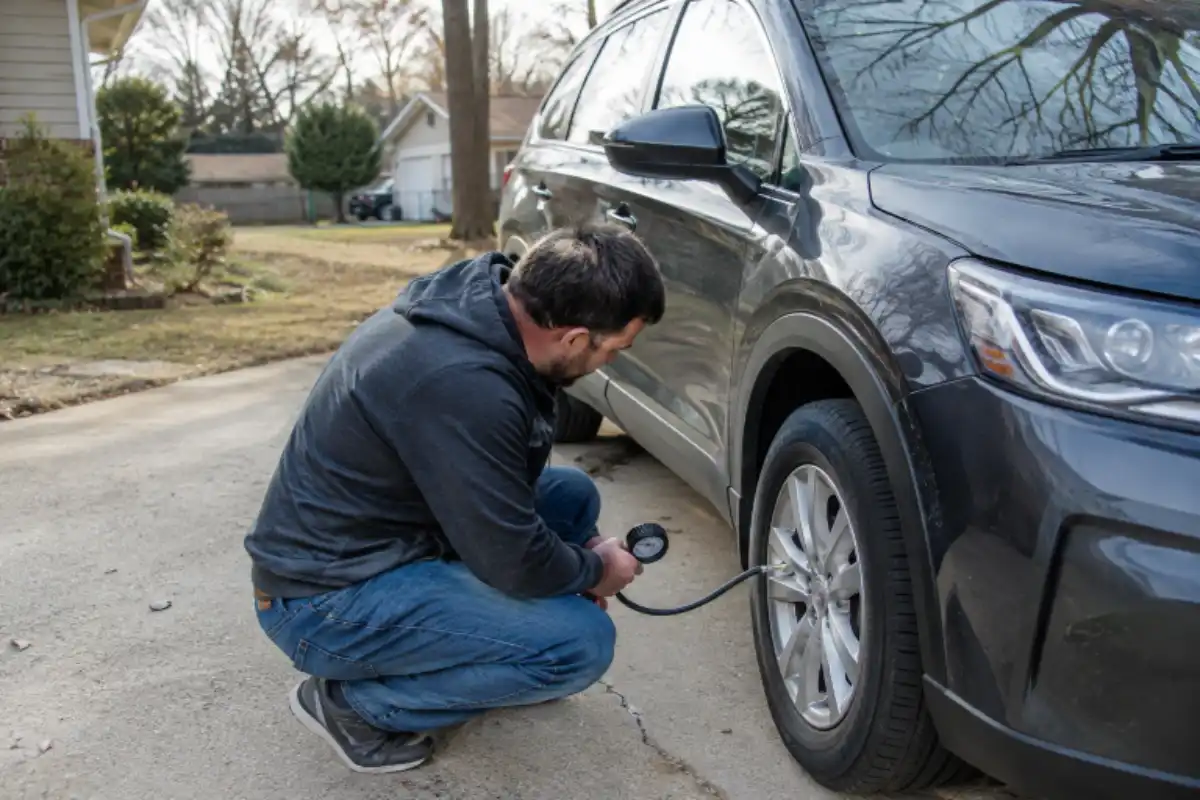
- Check tire pressure when tires are cold.
- Look for cuts, bulges, embedded objects, and uneven tread wear.
- Test headlights, brake lights, turn signals, hazard lights, and reverse lights.
- Check engine oil, coolant, brake fluid, and windshield washer fluid as directed by the owner’s manual.
- Look beneath the vehicle for fresh drips or puddles.
- Listen for unfamiliar noises while starting, turning, accelerating, and braking.
- Inspect wiper blades and make sure washer spray reaches the windshield.
- Review the owner’s manual for upcoming scheduled service.
Tires And Wheels
The recommended pressure on the driver-side door label or in the owner’s manual is the number to follow, not the maximum pressure molded into the tire sidewall. Low pressure can contribute to uneven wear, poorer handling, and reduced fuel economy. According to federal tire safety guidance, drivers should check all tires, including the spare when applicable, at least monthly while the tires are cold.
Watch for vibration, a vehicle that pulls on a straight road, repeated pressure loss, or tread that wears more on one edge than the other. Rotation, balancing, and alignment are separate services, but each can affect ride quality and tire life. A tire-pressure monitoring light is helpful, but it does not replace regular manual checks.
Fluids And Filters
Engine oil lubricates moving engine parts, so the correct oil grade and change interval matter. Check oil on level ground using the method specified in the manual, since procedures vary by vehicle. Coolant deserves equally close attention. A low coolant level or visible leak can lead to overheating, and an overheating engine should be shut down as soon as it is safe to do so.
Brake fluid, transmission fluid, power-steering fluid on applicable vehicles, and washer fluid serve different purposes and have different service requirements. Air and cabin filters also do not follow one universal replacement schedule. Use the manufacturer’s maintenance plan and replace parts based on the vehicle’s needs rather than a one-size-fits-all rule.
Brakes And Suspension
Brake warning signs include squealing, grinding, a pulsing pedal, pulling during stops, a soft pedal, or a brake warning light. Grinding can indicate that the brake material is severely worn, so it warrants immediate attention. Suspension concerns may show up as clunking, excess bouncing, an uneven ride height, steering drift, or uneven tire wear.
Because brakes, steering, and suspension directly affect vehicle control, they are not good candidates for uncertain driveway repairs. Work under a raised vehicle also carries serious risk without proper equipment and training.
Dashboard Warning Lights
Warning lights differ in urgency. Consult the owner’s manual first, but treat red warnings and flashing lights seriously. An oil-pressure light or temperature warning calls for stopping safely as soon as possible. A brake warning light that stays on after the parking brake is released needs prompt inspection. A battery light can indicate a charging-system issue, while a check-engine light may range from a loose fuel cap to a problem requiring diagnosis.
Seasonal Maintenance Tips
Spring And Summer
- Inspect tires for damage after rough winter road conditions.
- Check the cooling system before sustained hot weather sets in.
- Test air conditioning and inspect the cabin filter if airflow seems weak.
- Pay attention to slow starts, which can indicate a weak battery.
Fall And Winter
- Check battery performance before colder mornings arrive.
- Inspect wipers, lights, defrosters, and washer fluid.
- Check tire tread before wet or cold-weather driving.
- Keep a flashlight, phone charger, blanket, and basic emergency supplies in the vehicle.
When To Call A Professional
Stop driving and arrange help if the engine overheats, the oil-pressure light appears, braking feels unsafe, or steering control changes suddenly. Schedule an inspection for recurring warning lights, leaks, persistent noises, or problems that return after a temporary fix. When discussing repairs, ask for a written estimate that separates diagnostic work, parts, labor, and recommended follow-up items.
Common Questions
How Often Should A Vehicle Be Checked?
A quick monthly inspection, checks before road trips, and manufacturer-recommended service provide a practical baseline.
Why Does My Car Pull To One Side?
Possible causes include uneven tire pressure, uneven tire wear, alignment issues, brake problems, or worn suspension components.
Can Proper Tire Pressure Help With Fuel Use?
Yes. The U.S. Department of Energy notes that properly inflated tires can improve gas mileage and support tire life and safe handling.
Final Check
Car care does not need to be complicated to be useful. Consistent checks help Salisbury drivers spot changes early, make informed decisions, and avoid overlooking safety-related symptoms. Combine simple at-home inspections with professional evaluation whenever a problem involves brakes, steering, overheating, electrical warnings, or anything that does not feel safe on the road.