
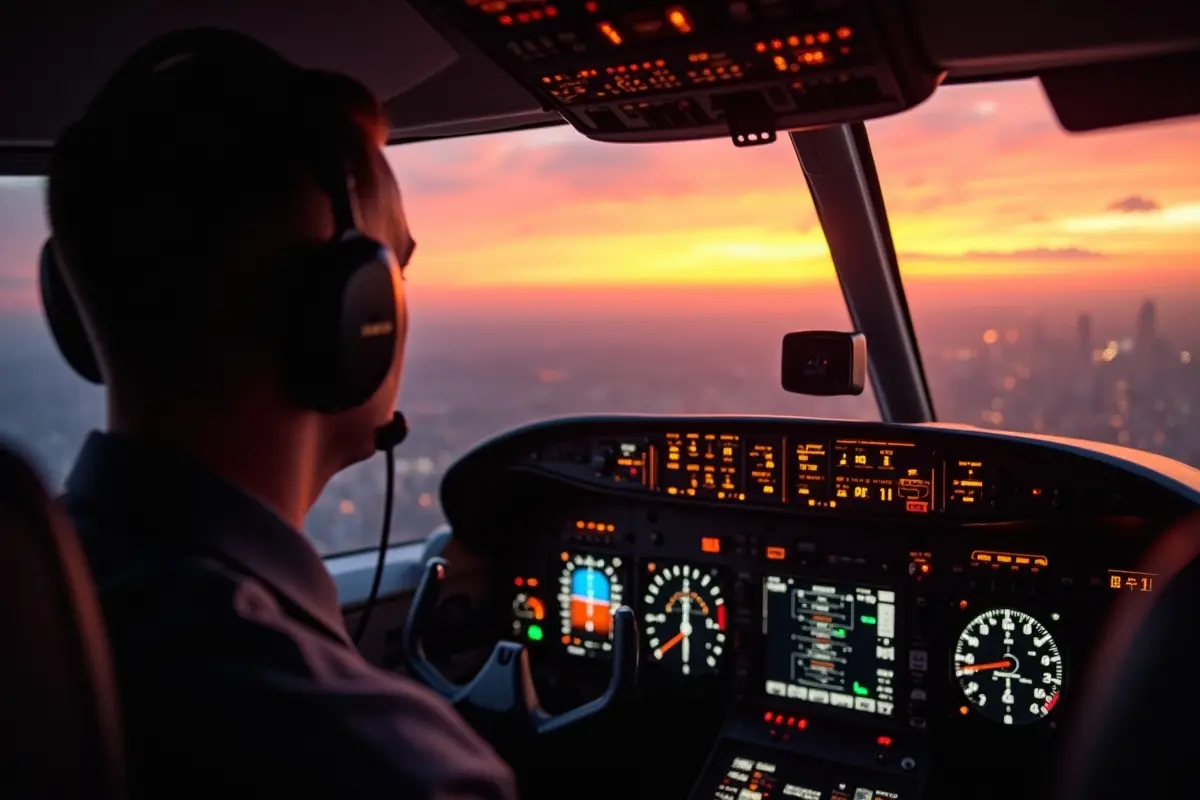
For people in Vancouver considering a pilot career, the path to becoming a professional isn’t defined by a single route or a single employer. It can begin with a first lesson in a light aircraft and develop into work involving passengers, freight, training, aerial observation, or specialized regional operations.
British Columbia adds practical considerations to that decision. Pilots operating near the Lower Mainland may encounter changing visibility, rain, wind, terrain, water crossings, and busy airport procedures. Those conditions make preparation, weather knowledge, disciplined decision-making, and clear communication useful from the earliest stages of training.
What A Pilot Career Can Look Like
Major and regional airlines are only one part of commercial aviation. Pilots may also fly for charter and air taxi operators, corporate flight departments, cargo carriers, aerial survey companies, emergency medical services, agricultural operators, or utility-support missions. Flight instruction is another common early-career path because it develops teaching ability while building practical experience.
Each option has different schedules and lifestyle demands. Airline flying can involve multi-day trips and crew-based procedures, while an instructor may work closer to one airport and fly several short lessons each day. Readers exploring aviation careers should compare the work itself, not only the aircraft or job title.
Who May Be A Good Fit For Aviation?
Aviation rewards people who can follow structured procedures without losing situational awareness. Helpful traits include attention to detail, patience with repetitive practice, sound judgment under pressure, respect for checklists, and willingness to keep studying. Pilots also need to communicate clearly with instructors, dispatchers, air traffic services, maintenance personnel, and other crew members.
Enjoying flight is a good starting point, but it does not mean every part of training will feel easy. A student may be comfortable handling an aircraft yet need extra support with radio calls, navigation, or weather theory. That is not necessarily a reason to stop. It is useful feedback about where more study, simulator practice, or instructor guidance is needed.
The Usual Training Path
There is no uniform timeline for every future pilot, but a typical Canadian pilot path begins with a medical assessment and an introductory flight. From there, students commonly work toward a private pilot license, build experience, complete commercial training, and add ratings that support their intended work, such as night, multi-engine, or instrument qualifications.
Transport Canada sets the licensing standards. For example, the commercial airplane license requirements include a valid Category 1 medical certificate, ground school, written knowledge testing, flight experience, and a flight test. The current commercial pilot license standards specify a minimum of 200 hours of airplane flight time for the standard modular route.
Modular And Structured Training
Modular training allows students to complete licenses and ratings in stages, which may suit people balancing school, work, or family obligations. Structured programs follow a fixed sequence with planned assessments and defined milestones. Neither approach is automatically better. The right choice depends on finances, availability, learning style, and the student’s ability to train consistently.
Skills That Matter In The Cockpit
Flight hours matter, but employers also look for professional habits. Technical knowledge includes navigation, aircraft systems, performance, weather, regulations, and flight planning. Human skills include teamwork, concise communication, leadership, and the ability to accept feedback. Decision skills include recognizing risk, managing workload, and choosing a safe alternative when conditions do not support the original plan.
Professionalism is visible in ordinary habits: arriving prepared, keeping accurate records, completing briefings carefully, and speaking up when something does not look right. These habits are particularly important in Vancouver-area flying, where weather and operational conditions can change during the day.
How Pilots Find Their First Job
The first paid flying job may not be an airline seat. New commercial pilots often pursue flight instruction, sightseeing, aerial survey support, ramp or operations roles, dispatch-related work, and smaller commercial operators. A first role can provide operational exposure and help a pilot learn how schedules, customers, maintenance coordination, and changing weather affect daily decisions.
- Keep licenses, ratings, medical status, and flight-time records current and organized.
- Create a concise aviation résumé that identifies relevant experience and qualifications.
- Ask instructors and supervisors for references after demonstrating reliable work habits.
- Meet working pilots at airport events, industry gatherings, and local aviation communities.
- Prepare for technical, scenario-based, and teamwork-focused interview questions.
What The Job Market Says
Demand forecasts can provide context, but they cannot promise an individual job offer. Hiring depends on an operator’s aircraft, routes, seasonal needs, finances, retirements, and applicants’ qualifications. In British Columbia, the federal Job Bank currently lists the 2025 to 2027 outlook for air pilots, flight engineers, and flying instructors as limited, reinforcing the value of a flexible search strategy and realistic expectations.
That outlook does not mean there are no opportunities. It means prospective pilots should avoid planning around a single employer or location. Building transferable skills and being open to an initial role outside Vancouver can widen the range of possible first steps.
How To Build A Personal Career Plan
A useful plan starts with a target role, then works backward. Estimate the licenses and ratings needed, expected training time, flight-hour building, job-search time, and living expenses. Include training fees, exams, medicals, equipment, travel, and the financial impact of weather or maintenance delays.
Review the plan every few months. Career goals can change after a discovery flight, a first solo, an instrument lesson, or a conversation with a working pilot. A backup plan can also be helpful, whether it involves another aviation position or a way to continue training more gradually. Resources like Genesis Air can guide training options and career pathways.
Questions To Ask Before Starting
- What medical standard applies to the flying I want to do?
- Which licenses, ratings, and experience levels are relevant to my target role?
- What flight time, ground instruction, exams, and practical tests are included in the quoted cost?
- How often are aircraft, instructors, and simulators available?
- How will weather, maintenance, or scheduling delays affect my timeline?
- What support is available for written exams and flight-test preparation?
- Which entry-level roles do graduates commonly consider after commercial training?
Final Thoughts
A pilot career in Vancouver can lead in many directions, but the strongest start is practical rather than rushed. Set clear goals, confirm medical requirements early, budget carefully, train consistently, and learn from people who work in different parts of aviation. With steady skill development and flexible expectations, future pilots can make informed choices about their next step in 2026.