
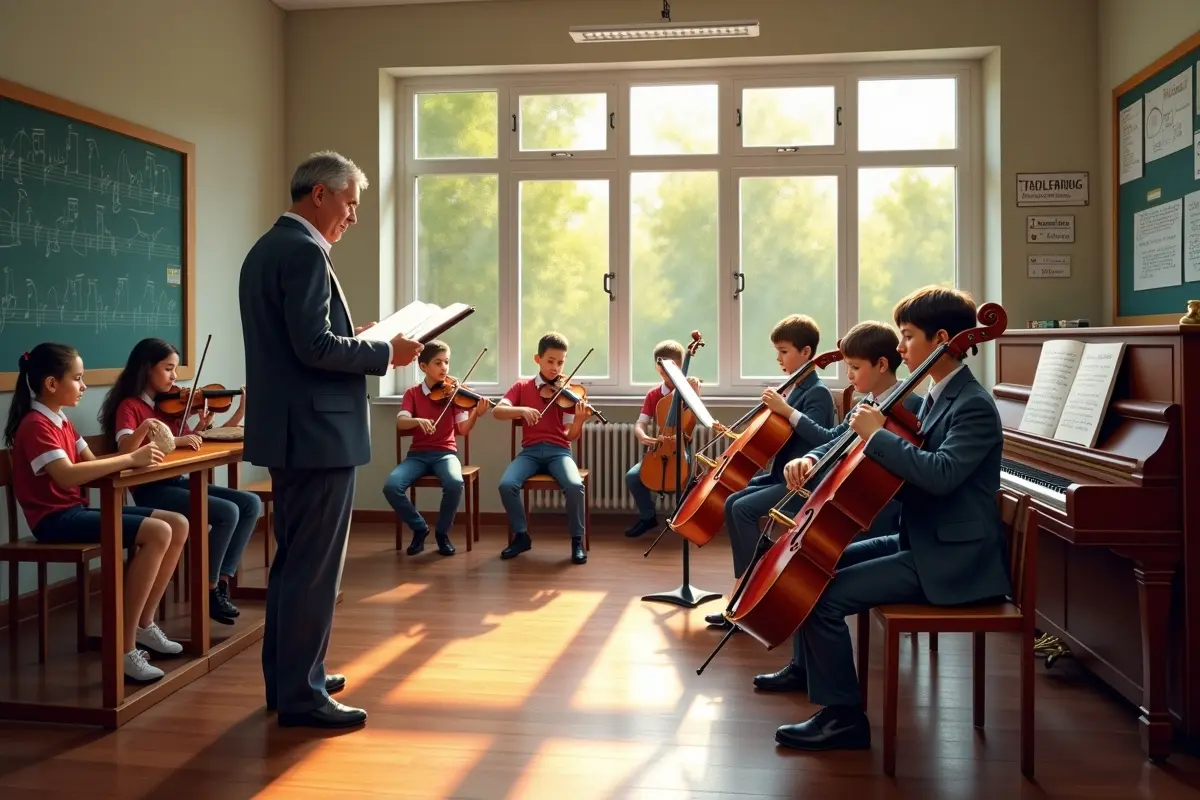
Music education is fundamental in nurturing students’ creativity, discipline, collaboration skills, and cultural awareness. Yet, financial limitations and shifting educational priorities often place these programs at risk. When schools struggle to provide robust music offerings, the responsibility often falls to community members, families, and advocates to take action and support their local schools. Through direct activism and resource-sharing, anyone can help advocate for music education and make a lasting difference in children’s lives.
By rallying together, communities can empower schools to maintain and expand music programs despite budget constraints. This collaborative approach ensures all students have opportunities to discover and develop their musical talents, regardless of background or income. Pursuing sustainable funding, creative partnerships, and innovation in both teaching and technology are vital for long-term success. The result is a thriving educational environment that supports both individual and collective growth through music.
Fostering such environments does more than improve academic outcomes—strong music programs foster school pride, support emotional well-being, and build bridges between generations. When communities collaborate to sustain the arts in schools, they cultivate resilient and resourceful students who are well-prepared for the future. Collaboration shifts music education from a luxury to a necessity, promoting equity and inclusion for all learners.
Communities that successfully protect school music programs often serve as models for others nationwide. Ensuring these efforts are visible and celebrated is an important step toward shifting public attitudes and influencing broader policies.
Fundraising Initiatives to Support Music Programs
Every successful music program rests on a foundation of strong financial support—but with public school budgets frequently strained, supplemental fundraising is essential. Community-led initiatives can take many creative forms, from hosting music marathons to organizing group yard sales or benefit concerts. Virtual open mics, crowdfunding campaigns, and online donation drives have also emerged as practical ways to engage supporters beyond the immediate school community.
Transparency in fundraising, such as publicizing goals and sharing results, increases trust, broadens the network of contributors, and provides much-needed stability. When financial support is sustained over time, schools are better equipped to purchase instruments, pay for sheet music, fund field trips, and cover repair costs. This ensures equitable participation and opens doors for students who otherwise might miss out on music education due to economic hardship.
Building Community Partnerships
Collaborations with local businesses, arts organizations, and universities can significantly amplify the reach and sustainability of music education. For example, professional musicians or university programs may offer mentorships, masterclasses, or internship experiences. Local orchestras and arts nonprofits can provide access to instruments, venues, or performance opportunities, strengthening both community ties and school offerings.
Such partnerships benefit the entire community by bolstering economic activity, enriching cultural life, and encouraging volunteerism and youth engagement. By investing together, communities can achieve more diverse and sustainable programming, which in turn makes participation more accessible to all skill levels and backgrounds.
Advocating for Policy Changes
Even the most effective local initiatives can benefit from systemic support. Advocacy at the school board, municipal, or national level is critical to enacting large-scale change. Engaging with policymakers and educational leaders can encourage them to prioritize and allocate stable funding to the arts.
Organizations such as UK Music have successfully influenced government policies in the UK by presenting data-driven cases for the economic and cultural benefits of robust music education, as detailed in their five-point action plan to grow music programs in underserved areas. For more insights on how early advocacy shapes long-term outcomes in music education, see The Power of Early Advocacy.
Effective advocacy often involves gathering community testimonials, student success stories, and research that demonstrates the connection between music study and improved academic and social-emotional outcomes. When these voices are organized and persistent, they are difficult for policymakers to ignore—and can result in meaningful investment and change.
Leveraging Technology in Music Education
The innovative integration of technology is transforming music education, expanding access to new teaching methods, instruments, and performance platforms. For instance, courses like the music technology class at Charles J. Colgan Sr. High School blend digital and traditional musicianship, teaching students skills in audio engineering, composition, production, and even sync licensing—skills increasingly relevant for careers in the evolving music industry.
Guest lectures from music business professionals, online collaborative software, and adaptive learning apps ensure that music education remains dynamic, accessible, and connected to real-world opportunities.
Supporting Under-Resourced Schools
Where resources are limited, organizations like The Mr. Holland’s Opus Foundation play a crucial role in bridging funding gaps. By donating instruments to schools across the nation, these nonprofits have helped more than half a million students participate in music—students who might otherwise have been excluded due to financial hardship. Such targeted support empowers teachers to build inclusive classroom experiences where every child can discover the transformative power of music.
Encouraging Student Participation
Performance opportunities such as those at the New Orleans Jazz and Heritage Festival reinforce the value of music education and honor students’ cultural heritage. Inclusion in prestigious events nurtures personal growth, cements self-confidence, and helps students build lasting connections with their local community. Creating accessible stages—both in schools and the broader community—ensures that young musicians can flourish in environments of encouragement and respect.
According to K12 Dive, modernizing school music programs by incorporating contemporary music can increase student engagement and participation. Programs that include popular music forms help to engage students and add relevance to the instruction in their eyes. Such modernization not only attracts more students but also enhances the educational impact of music programs, resulting in higher graduation rates, improved attendance, and better standardized test scores.
Implementing Innovative Teaching Methods
Teachers committed to inclusivity are adopting innovative approaches—such as using accessible digital instruments like LoopBoxes, which allow children with special educational needs to participate actively in music-making.
These methods accommodate diverse learning preferences and abilities, enabling schools to celebrate differences rather than seeing them as obstacles. By focusing on collaboration, improvisation, and technology, educators create flexible curricula that make music accessible and welcoming for all students.
Conclusion
The collective action of communities, families, educators, and policymakers is key to sustaining vibrant music education. By embracing strategies such as fundraising, partnerships, advocacy, technology integration, and inclusive teaching, communities can ensure that music programs remain strong for generations to come. This not only enriches the educational experience for individual students but also contributes to the overall health, creativity, and cultural richness of society.