
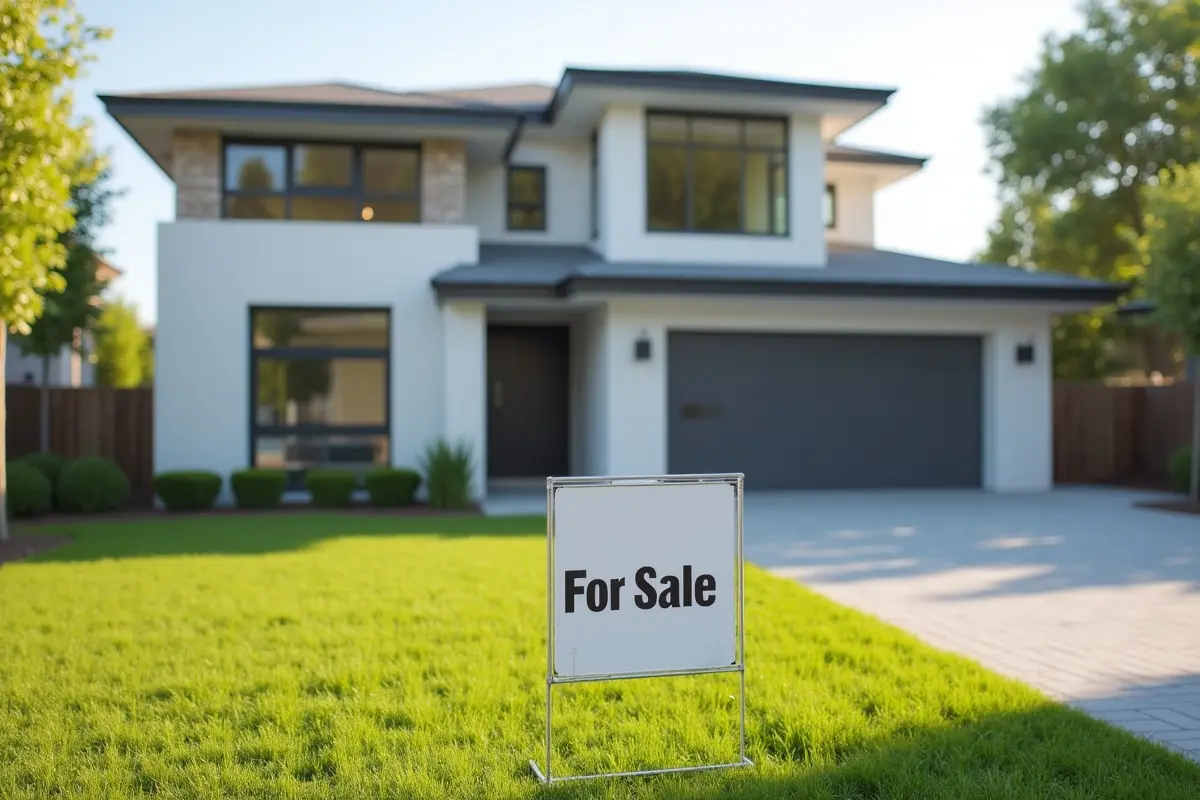
Comparing homes in Paramus, New Jersey takes more than looking at photos, counting bedrooms, and choosing the lowest asking price. Two properties with similar price tags can create very different day-to-day experiences and long-term costs. A consistent comparison process helps buyers notice the details that matter before emotions take over.
Buyers researching homes for sale in Paramus NJ, can use Keren Abraham Realty’s local property search resource to review available listings, compare features, and see how homes differ by location, size, and price. Keren Abraham Realty focuses on Paramus and the surrounding Bergen County communities, making the resource especially useful for buyers who are also weighing nearby options in Ridgewood, Wyckoff, Franklin Lakes, or Woodcliff Lake.
Start With Priorities Before You Tour
A home search becomes easier when you separate needs from preferences. Your must-haves may include enough bedrooms, parking, a manageable commute, outdoor space, or a first-floor room that can serve a specific household need. Nice-to-haves might include an updated kitchen, finished basement, home office, or newer appliances.
Write down deal breakers as well. They may include a monthly cost that stretches your budget, a layout that does not work for your household, significant visible maintenance issues, or a location that creates a difficult daily commute. Include your expected ownership timeline in this list. A home that works well for two years may not be the right choice if you expect your space needs to change soon.
Compare the Location at Different Times
The street and surrounding area can matter as much as the house itself. In Paramus and other Bergen County communities, buyers may want to consider access to major roads, shopping, parks, schools, transit options, medical care, and the places they visit most often. Test the route to work or other regular destinations during the times you would normally travel.
Visit promising properties more than once when possible. A quiet afternoon showing may not reveal morning traffic, evening activity, weekend noise, commercial deliveries, or nearby construction. Observe the driveway, street parking, sidewalks, and the amount of time it takes to reach everyday errands. A beautiful interior may lose appeal if the location complicates the routines that matter most to you.
Judge How the Home Works, Not Just How It Looks
Fresh paint, staged furniture, and updated light fixtures can make a strong first impression, but the floor plan deserves closer attention. Think through how you would use the home on an ordinary weekday. Is there enough room to prepare meals, store groceries, work remotely, host guests, do laundry, and relax without rooms competing for the same purpose?
- Check whether the kitchen connects comfortably to dining and living spaces.
- Notice the placement of bedrooms, bathrooms, laundry, closets, and storage.
- Look for narrow hallways, awkward corners, steep stairs, or rooms with limited practical uses.
- Consider whether a bedroom, den, or basement could support future work, guests, or family needs.
- Focus on usable space rather than total square footage alone.
A larger home is not automatically a better fit. A more efficient layout with useful storage and flexible rooms can be easier to live in than a bigger house with wasted space.
Look Beyond Cosmetic Updates
Before becoming attached to a home, pay attention to the condition of major systems and visible warning signs. Ask about the roof, heating and cooling equipment, windows, plumbing, electrical panel, and any major renovations. In basements, attics, garages, crawl spaces, and exterior areas, look for moisture staining, musty odors, uneven floors, sticking doors, cracks, gutter issues, or grading that may direct water toward the house.
Ask when major components were installed and whether maintenance records, warranties, permits, or repair invoices are available. A professional inspection is an important part of due diligence. The questions in this home inspection checklist can help buyers understand the scope of the inspection, evaluate an inspector, and identify situations where a specialty review may be appropriate.
Calculate the Full Monthly Cost
The purchase price is only one part of affordability. Compare homes using the estimated full monthly cost, including principal and interest, property taxes, homeowners’ insurance, utilities, association dues when applicable, commuting costs, and a realistic allowance for maintenance or repairs.
A lower-priced home may still cost more to own if taxes are higher, systems are nearing replacement, or the property needs immediate work. Likewise, a home with a higher price may offer better value if its condition, layout, and location reduce likely near-term expenses. When comparing outdoor areas, additions, and land use, it also helps to remember that property research extends beyond the building itself, as evaluating a property’s practical features and restrictions can show.
Use Comparable Sales and a Simple Scorecard
Recent closed sales can help you test whether an asking price appears reasonable. Focus on homes in the same neighborhood or a similar area, then compare age, lot size, square footage, bedroom and bathroom counts, condition, updates, and features such as a finished basement or a garage. Asking prices are a useful context, but closed sales show what buyers actually paid.
To avoid relying on memory alone, score each home from one to five in these categories:
- Location, 25 percent: Does it support your commute, routines, and plans?
- Layout, 20 percent: Does the floor plan work without major changes?
- Condition, 20 percent: What repairs or replacements may be needed soon?
- Total cost, 20 percent: Does the complete monthly expense feel manageable?
- Future fit, 15 percent: Will the home still work in three to five years?
Add one short note under each scorecard: the property’s biggest advantage and its largest unknown. That small step can make a close decision much clearer.
Review Documents Before Writing an Offer
When a home rises to the top of your list, review available documents carefully. These may include seller disclosures, tax records, permits for additions or finished spaces, surveys or boundary information, association documents, prior inspection reports, warranties, and repair invoices. If a finished basement, deck, renovation, or other improvement is important to your decision, ask questions early rather than assuming it was completed as expected.
Qualified legal, lending, insurance, and inspection professionals can help you understand issues that affect your specific transaction. Their guidance is particularly valuable when records are incomplete or a concern requires further evaluation.
Know When to Schedule a Second Visit
A second showing is worthwhile when the home meets most of your needs, but one concern remains unresolved. Return if the layout felt different in person than it did online, you need to test the neighborhood at another time of day, the repair history needs clarification, or you are choosing between two similar properties. Bring your scorecard and measure the rooms, storage areas, and outdoor spaces that could influence your decision.
Create a Calm Offer Plan
- Confirm your comfortable purchase range with your lender.
- Review comparable sales and current competition with your real estate professional.
- Set a maximum price before submitting an offer.
- Consider appropriate inspection, financing, appraisal, and other contract contingencies.
- Decide which closing date and terms work best for your household.
- Keep another suitable property in mind in case your first offer is not accepted.
Offer strength is not always based on price alone. Clear terms, financing readiness, timing, and flexibility can also matter to a seller.
Common Questions From Paramus Home Buyers
How many homes should I compare?
There is no fixed number. Compare enough homes to understand local price ranges, layouts, and differences in condition without causing decision fatigue.
Should location matter more than interior updates?
Location is usually harder to change. Paint, flooring, fixtures, and some kitchen features can often be updated, while the street, commute, and access to daily needs remain the same.
Is the cheapest home always the best value?
No. A lower price may reflect repair needs, higher ownership costs, a less useful layout, or features that could limit future appeal.
Choose With Evidence, Not Pressure
The best home is not always the newest, largest, or most polished online. A thoughtful decision considers location, layout, condition, total ownership cost, documentation, and future plans. By comparing every property with the same checklist, buyers can identify risks sooner, see value more clearly, and make an offer with greater confidence.