
In Brunswick County, NC, indoor comfort is closely tied to moisture, airflow, and the way a home handles the long cooling season. A home can look spotless yet still feel stale, damp, dusty, or uneven from room to room. Taking a practical approach to indoor air quality in Brunswick County can help homeowners identify issues before they become larger comfort or maintenance problems.
Coastal humidity, heavy summer rain, salt-air exposure, and homes that stay closed up while air conditioning runs can all influence indoor conditions in Brunswick County. That does not mean every odor or dusty surface signals a serious issue. It does mean that moisture, ventilation, filtration, and hidden leaks deserve regular attention.
Good indoor air is not created by one product or a single cleaning day. It comes from reducing pollutant sources, moving stale air out when conditions allow, filtering circulating air appropriately, and preventing unwanted moisture from lingering in the home.
Families with young children, older adults, pets, allergies, or respiratory concerns may be especially motivated to notice changes in comfort. Start with simple observations, then seek professional help if warning signs persist.
When airflow problems, humidity concerns, or equipment performance issues persist, an experienced HVAC contractor in Southport, NC, can evaluate the home’s system rather than relying on guesswork.
Why Indoor Air Quality Matters in Brunswick County
Indoor air can contain dust, pet dander, cooking particles, cleaning-product fumes, moisture, and pollutants that enter from outdoors. Clean floors and a pleasant fragrance do not necessarily tell the full story. Comfort often depends on whether the home removes excess moisture, exhausts pollutants at their source, and delivers conditioned air evenly.
Common Warning Signs Inside the Home
Watch for patterns rather than assuming one symptom identifies one cause. Condensation on windows or pipes, a musty odor that returns after cleaning, dust that quickly settles again, weak airflow, discoloration near ceilings or vents, and rooms that feel damp or stuffy all justify a closer look. A filter that becomes dirty unusually quickly can also indicate heavy particle loads or air bypass around the filter.
How to Keep Humidity in Check
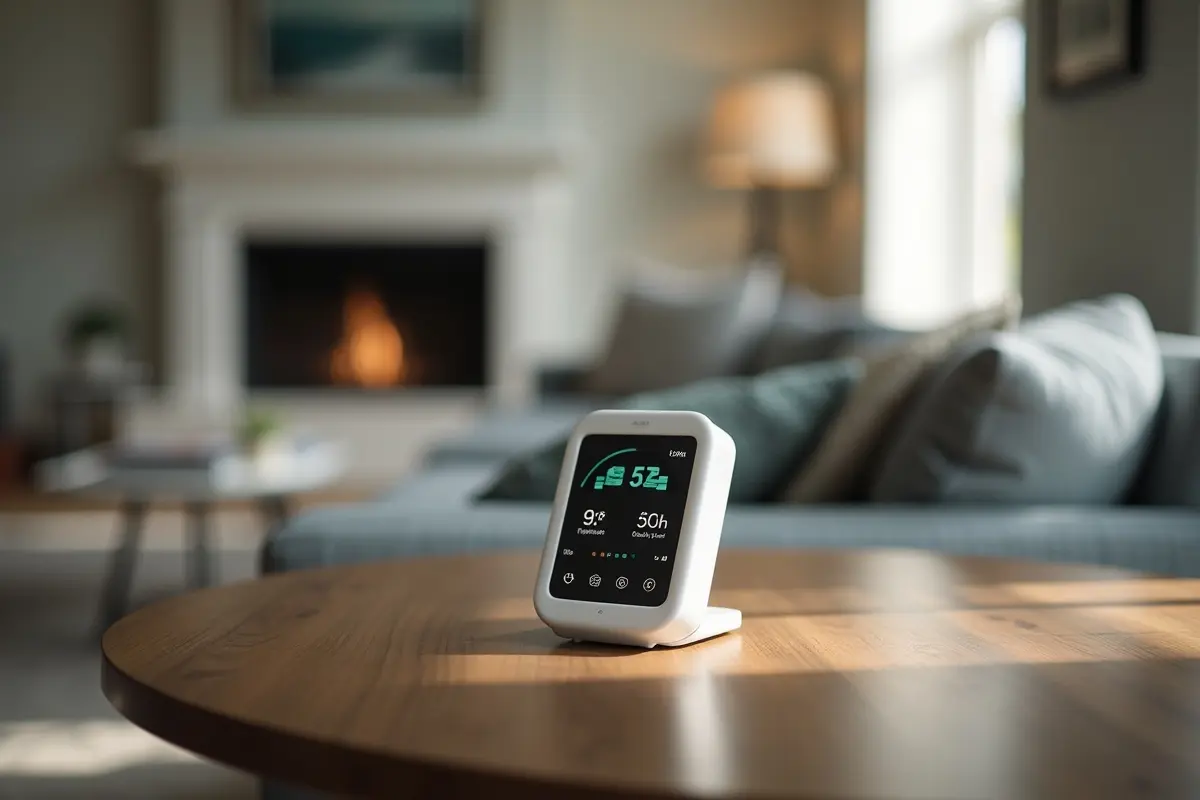
Humidity management is especially important for Brunswick County homes near the North Carolina coast. The EPA recommends controlling moisture and keeping indoor humidity below 60 percent, with an ideal range of about 30 to 50 percent. A small digital hygrometer provides a useful baseline and can show whether a room stays damp even when the cooling system is running.
Practical Humidity Steps
- Run bathroom exhaust fans during showers and afterward.
- Use a kitchen hood that exhausts outdoors when cooking with steam, grease, or high heat.
- Check beneath sinks, around appliances, and near cooling equipment for leaks.
- Keep gutters clear and direct downspouts away from the foundation.
- Consider dehumidification if indoor humidity remains high.
Fresh Air and Proper Ventilation
Opening windows can help when outdoor conditions are mild, and air quality is good, but it is not always practical during humid weather, storms, pollen events, or smoky conditions. Kitchen and bath fans that vent outdoors remove moisture and odors at the source. Tighter homes may also benefit from properly designed mechanical ventilation, which should be selected and installed for the specific home.
Filters, Purifiers, and Particle Control
An HVAC filter captures some airborne particles as air moves through the system, but fit matters as much as the filter rating. Use the filter type recommended for the equipment, ensure it seals properly in its slot, and replace it based on its condition and the manufacturer’s guidance. Pets, remodeling work, heavy dust, and periods of poor outdoor air can require more frequent checks. Higher-efficiency filters are not automatically better if they restrict airflow beyond what the system can handle.
Daily Habits That Reduce Particles
- Vacuum regularly, preferably with a sealed or high-efficiency machine.
- Use damp cloths for dusting instead of sending particles back into the air.
- Leave outdoor shoes near the entry.
- Avoid smoking indoors and limit candle or incense use.
- Store paints, solvents, and strong chemicals outside living spaces.
Hidden Moisture Sources to Check
A musty smell can begin far from the room where it is noticed. Check washing-machine hoses, refrigerator supply lines, condensate drains, pipe insulation, attic insulation, crawl spaces, roof penetrations, and window or siding gaps. Bathroom fans should exhaust outdoors, not into an attic. If water-damaged carpet, drywall, or insulation remains wet, cleaning only the visible surface will not correct the underlying issue. The CDC advises fixing the moisture problem as part of removing mold growth.
The Role of Ductwork and Airflow
Damaged, disconnected, or poorly sealed ducts can reduce comfort and contribute to uneven temperatures. Dusty rooms, weak supply airflow, whistling sounds, and consistently hot or cool areas can justify an inspection. Duct cleaning is not a universal solution for indoor-air complaints, but visible debris, pest activity, moisture, or physical duct damage should be addressed.
A Simple Seasonal Air Checkup for Brunswick County
Spring and Summer
- Check humidity levels before peak heat arrives.
- Inspect the HVAC filter and clear debris from outdoor equipment.
- Test bath and kitchen exhaust fans.
- Look for condensate leaks or standing water.
Fall and Winter
- Inspect heating filters, return grilles, and uncovered registers.
- Check carbon monoxide alarms according to the manufacturer’s instructions.
- Review odors, condensation, and airflow concerns noticed during summer.
When to Seek Professional Help
Call for an evaluation if high humidity continues while cooling runs, musty odors return, visible water damage appears, several rooms have poor airflow, or the HVAC system short-cycles or makes unusual sounds. A thorough assessment can examine drainage, equipment operation, duct condition, airflow, filtration, ventilation, and moisture levels. For Brunswick County homes, a whole-home approach is more effective than relying on a single device or service to solve every air-quality concern.
A Cleaner-Air Plan for Brunswick County
Better indoor air usually comes from several manageable habits working together. Control moisture, remove pollution sources, use suitable filtration, keep exhaust systems working, and investigate hidden areas when warning signs appear. A monthly glance at humidity, filters, drains, and room comfort can help keep a Brunswick County home fresher and more comfortable throughout 2026.