Buying a home in Riverside, California means choosing a setting for everyday life, not simply choosing bedrooms, bathrooms, and square footage. A house that looks ideal online can feel less practical if the drive to work is difficult, the nearest grocery store is inconvenient, or the street activity does not suit your routine. For a neighborhood-level perspective, buyers can consult Riverside, CA, real estate agents Brad Alewine Group.
The Brad Alewine Group website offers Riverside home search and buyer resources, and the team brings long-standing local brokerage experience in Riverside and surrounding communities, including Alessandro Heights, Hawarden Hills, and Victoria Woods. That familiarity can help buyers frame better questions while still completing their own research and due diligence.
Why Neighborhood Choice Matters as Much as the Home
Your location influences the time, money, and effort that homeownership requires. A larger yard may be valuable for entertaining or pets, while it may be an unwanted maintenance commitment for another buyer. A central location can shorten trips to dining, services, and cultural destinations, while a quieter outlying area may offer more privacy and space.
The best choice is the one that supports your current routine and remains workable if your needs change. Riverside includes a broad mix of community settings. The City of Riverside describes neighborhoods ranging from new housing tracts to historic areas, with differences in schools, community facilities, shopping, and amenities. Reviewing the city’s neighborhood information for Riverside residents is a useful starting point before narrowing a search.
Start with a Clear Buyer Profile
Before touring homes, define the truly non-negotiable factors. This reduces the chance of falling for a polished listing in an area that does not work for your life.
- Maximum purchase price, down payment, and comfortable monthly payment
- Preferred property type, such as a single-family home, condo, or larger-lot property
- Maximum realistic commute time during normal work hours
- Need for a yard, garage, pool, workshop, or dedicated home office
- School preferences and the need to verify attendance boundaries
- Interest in parks, walkability, restaurants, libraries, or nearby recreation
- Comfort with renovation projects, older systems, HOA rules, or outdoor upkeep
Compare Riverside Neighborhoods by Housing Style
Historic and Central Areas
Historic and central neighborhoods may appeal to buyers who value architectural detail, established streets, mature landscaping, and proximity to downtown destinations. However, an older property can require more careful inspection of plumbing, electrical systems, roofing, insulation, drainage, and prior renovations. Character is valuable, but buyers should budget for the condition of the specific home rather than assuming every older property needs the same work.
Hillside and View-Oriented Areas
Hillside homes can offer privacy, distinctive lots, and expansive views. The tradeoff is greater variation in driveways, grading, retaining walls, drainage, and landscape maintenance. Before making an offer, ask inspectors and insurance professionals about property-specific hillside, fire, and access considerations. A view should complement a sound ownership plan, not replace one.
Suburban and Family-Oriented Areas
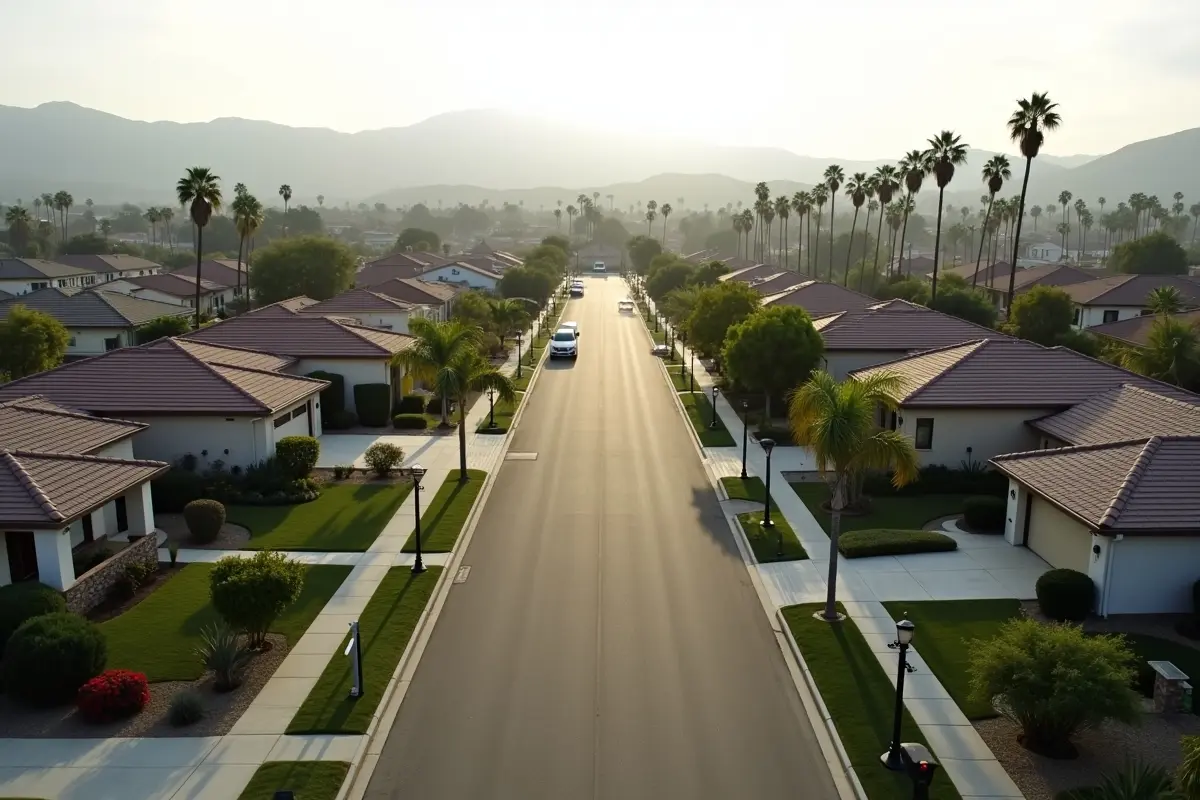
Established suburban areas may offer more consistent streetscapes, practical floor plans, garages, and usable yards. These communities can be a strong fit for buyers prioritizing bedrooms, storage, and day-to-day functionality. Still, drive times to employment centers, schools, and regular errands should be checked during the hours you will actually travel.
Large-Lot and Semi-Rural Areas
Properties with larger lots can provide privacy, open space, room for gardening, recreational vehicles, or other outdoor uses. They can also involve additional responsibilities. Verify utility arrangements, road access, zoning, permitted uses, drainage, and the costs of maintaining land and landscaping before assuming that more acreage automatically means better value.
Use Home Prices as a Starting Point, Not a Final Answer
Citywide pricing is only a broad reference point. For the three months ending in June 2026, Riverside’s median sale price was about $645,000, and the average marketing time was about 33 days, according to Riverside housing market data. That does not mean two similarly sized homes in different neighborhoods should be valued alike. Condition, lot size, updates, location, views, street traffic, and buyer demand all affect pricing.
When comparing neighborhoods, look at recent sales of homes that are genuinely similar. A renovated bungalow should not be measured against an original-condition home simply because both have the same bedroom count. Ask for context on age, condition, lot characteristics, and whether the sale was typical for the immediate area.
Build a Simple Neighborhood Scorecard
Score each finalist neighborhood from one to five in the categories that matter to you:
- Budget fit: Can you buy comfortably after taxes, insurance, HOA fees, utilities, and maintenance?
- Commute: Does the route work during your actual morning and afternoon travel times?
- Home condition: Are available homes mostly move-in ready, or likely to need significant work?
- Outdoor lifestyle: Do the lots, parks, sidewalks, and nearby open spaces fit your routine?
- Schools and services: Are the education, shopping, health care, and daily services you use accessible?
- Long-term fit: Could the location still serve you well in five or ten years?
Look Beyond Listing Photos
Visit promising streets in daylight, in the evening, and on weekends. Listen for road, train, aircraft, or commercial noise. Check driveway access and street parking. Look for standing water, drainage patterns, vacant lots, nearby construction, and adjacent uses that may affect privacy. If there is an HOA, review fees, rules, and any disclosed assessments. Also investigate solar agreements, utility costs, insurance availability, and property-specific flood, fire, or hillside issues.
A Five-Step Process for Narrowing the List
- Choose three top priorities, such as budget, commute, and yard space.
- Select three to five neighborhoods instead of trying to compare the entire city at once.
- Review recent listings and sales for similar homes in each area.
- Drive each neighborhood several times and record traffic, noise, parking, and overall activity.
- Tour homes only after the neighborhood itself passes your test.
Choose the Area That Fits Real Life
The best Riverside neighborhood is not always the newest, largest, or least expensive option. It is the one that aligns with your budget, schedule, comfort, and plans. By comparing housing styles, commute conditions, services, ownership responsibilities, and recent comparable sales, you can make a more confident decision that works well beyond move-in day.
Conclusion
Choosing the right Riverside neighborhood means looking beyond the house itself and considering how the location will support your everyday life. Commute times, housing style, lot size, schools, nearby services, maintenance needs, and total ownership costs can all affect long-term satisfaction.
By comparing similar properties, visiting neighborhoods at different times, and researching factors that may not appear in listing photos, buyers can better understand each area’s advantages and trade-offs. The goal is not simply to find an attractive Riverside home, but to choose a neighborhood that fits your budget, routine, lifestyle, and plans.