
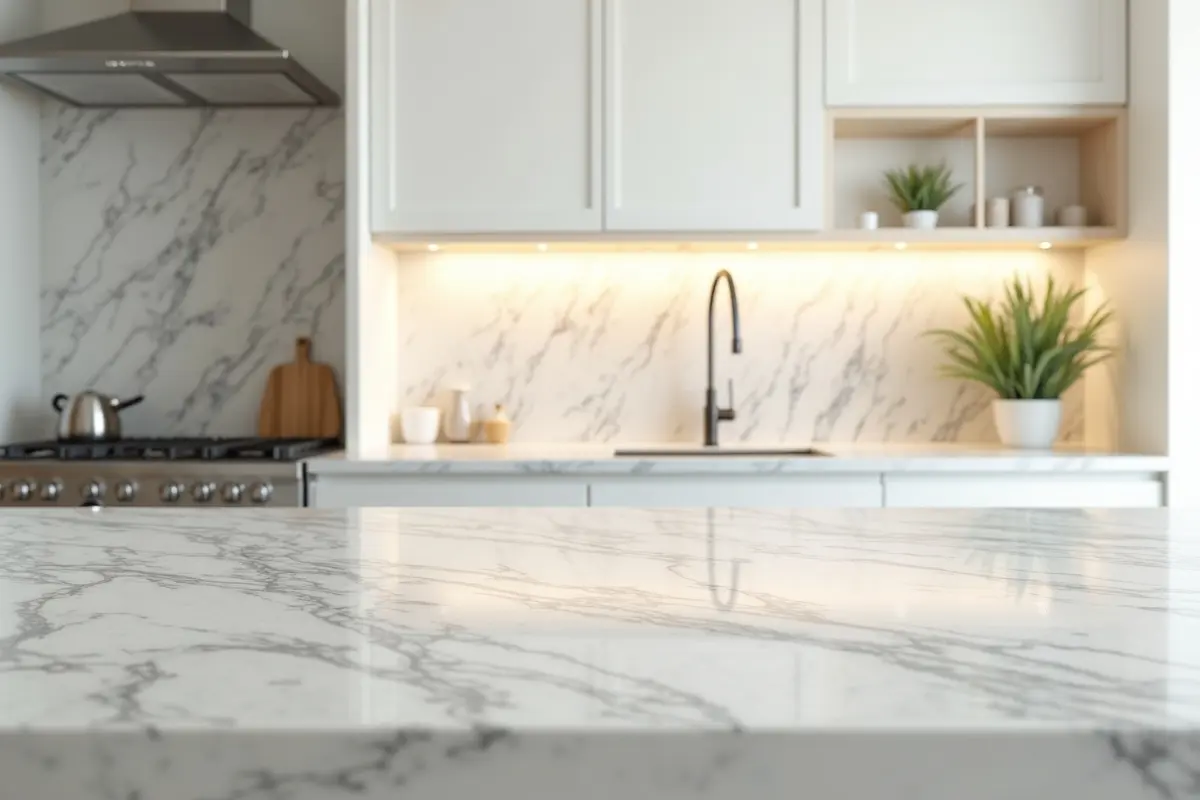
A countertop should do more than complete a color scheme. It needs to handle meal prep, spills, cleaning, homework, serving, and the occasional hot dish. Materials such as granite can offer natural variation and strong everyday performance, but the right choice depends on how the kitchen is actually used.
Homeowners are placing more value on kitchens that feel comfortable, organized, and practical for the long term. A surface that looks great in a photo may not be the best fit for a household that cooks frequently, hosts guests, or needs minimal maintenance.
Why Countertop Choices Matter More
Kitchens now commonly function as cooking spaces, work areas, gathering places, and storage hubs. The 2026 U.S. Houzz Kitchen Trends Study reports that 76% of homeowners renovating added specialty built-in features, reflecting an emphasis on kitchens that support specific daily tasks.
That shift changes how a countertop should be evaluated. Instead of treating it as one uninterrupted decorative surface, consider where people chop vegetables, unload groceries, use small appliances, help with schoolwork, and set out food for guests.
Start With Daily Kitchen Habits
Before comparing samples, think through who uses the room and when. Homeowners planning kitchen countertops should consider cooking frequency, whether hot pans are set down near the range, how often acidic foods or wine are used, and how much time is available for routine care.
A frequent baker may prefer a smooth, cool work surface for rolling dough, while a busy family may prioritize stain resistance and a finish that makes fingerprints less noticeable. Neither approach is universally better. The useful choice is the one that reduces friction in the household’s normal routine.
Compare Common Countertop Materials
Quartz
Engineered quartz offers consistent patterns, a wide color range, and straightforward everyday care. It generally does not require routine sealing, although trivets remain wise because intense heat can damage the resin binders in some products. It suits homeowners who want a uniform look across a large kitchen.
Granite and Quartzite
Granite is a natural stone known for distinct movement, color variation, durability, and heat tolerance. Quartzite also provides natural patterning and often appeals to people seeking a lighter stone appearance. Both should be viewed as full slabs whenever possible, since samples cannot capture the full range of variation. Ask about porosity, sealing, cleaners, and stain care in writing. Natural quartzite and engineered quartz are entirely different materials despite their similar names.
Marble
Marble remains appealing for baking areas, classic kitchens, and statement islands. It can etch when exposed to acidic ingredients and may stain or develop a patina over time. A honed finish can make daily wear less visually sharp, but marble is best treated as a lifestyle choice for households comfortable with character developing over time.
Wood, Porcelain, Solid Surface, and Laminate
Wood and butcher block add warmth and can often be refinished, but they need careful water management and periodic oiling. Porcelain can create a sleek, heat-resistant look, while solid surface offers integrated seams and repairable areas in many applications. Laminate remains useful for budget-conscious projects, secondary kitchens, and rentals. Compare edge options, seam visibility, repair methods, and installation requirements before deciding.
Colors and Finishes That May Last
Warm whites, cream, taupe, sand, mushroom, and soft brown tones are replacing colder all-gray palettes in many kitchens. Natural-looking movement and moderate contrast can feel adaptable as cabinets, wall colors, and furnishings change. Recent reporting on kitchen design trends also highlights warmth, flexible features, and contrasting island surfaces.
Honed, leathered, satin, and matte finishes can reduce glare and may disguise light water marks or small signs of use better than glossy finishes. Bold veining can still make an impact, especially on an island or slab backsplash, but using it selectively often keeps the overall room from feeling overly busy.
Plan Around Kitchen Zones
- Prep zone: Keep a generous work space near the sink, refrigerator, cutting boards, and food storage.
- Cooking zone: Provide a safe landing space beside the cooktop or range for utensils, ingredients, and hot cookware.
- Cleanup zone: Consider sink size, drying space, dishwasher access, and splash control.
- Serving zone: An island or peninsula can support casual meals and entertaining without blocking food prep.
- Beverage zone: A separate coffee or drink station can reduce traffic in the main work area.
Do Not Overlook Edges, Seams, and Backsplashes
Simple eased edges suit many kitchens, while rounded, beveled, or thicker built-up edges can alter the visual weight of the countertop. Seams tend to stand out more in light colors, highly patterned slabs, and long runs. Slab backsplashes create continuity, but they also affect material use, outlet placement, and installation planning. Confirm faucet holes, sink style, appliance clearances, and seam locations before fabrication begins.
Build a Realistic Budget
The material price is only one part of the total. A complete estimate should account for square footage, material grade, edge profiles, sink and cooktop cutouts, difficult layouts, backsplashes, demolition, disposal, delivery, installation, and any plumbing or electrical changes. Request itemized estimates so competing options can be compared fairly.
Questions to Ask Before Ordering
- What maintenance, sealing, and cleaning does this surface require?
- How does it respond to heat, acids, stains, and impact?
- Will color and pattern vary from the sample, and can the full slab be viewed?
- Where will seams appear, and which edge profiles are available?
- Who confirms final measurements, and what happens if damage or fit issues arise?
Common Mistakes to Avoid
Avoid choosing from a small sample alone, focusing on color while ignoring care requirements, or delaying decisions about sinks and appliances. Also, avoid assuming similarly named stones perform the same way. A delicate material can work in a high-use kitchen, but only if the household accepts the maintenance and visible wear that may come with it.
A Simple Five-Step Selection Process
- List cooking, cleaning, storage, and entertaining needs.
- Set a full project budget, including fabrication and installation.
- Shortlist three materials based on care, durability, appearance, and cost.
- Review full-size slabs or samples under the home’s lighting.
- Approve measurements, seams, edges, cutouts, and care instructions.
Frequently Asked Questions
What is the best countertop for a busy kitchen?
There is no single best option. Low-maintenance engineered materials may suit some households, while natural stone can be a strong choice for those who value variation and are prepared for its care needs.
Is a matte finish better than a polished finish?
Matte finishes can soften glare and hide minor marks, while polished finishes make color and pattern appear brighter. Lighting, cleaning habits, and personal preference should guide the decision.
Should an island use a different countertop?
It can. A contrasting island material or finish can create focus, provided its colors and textures still relate to the rest of the kitchen.
Conclusion
The strongest countertop decisions balance appearance, durability, maintenance, budget, and daily comfort. Choose a surface that supports real cooking and cleaning habits, rather than one chosen solely because it is popular in photos. A practical, well-planned countertop can continue to work well long after the newest trend has passed.