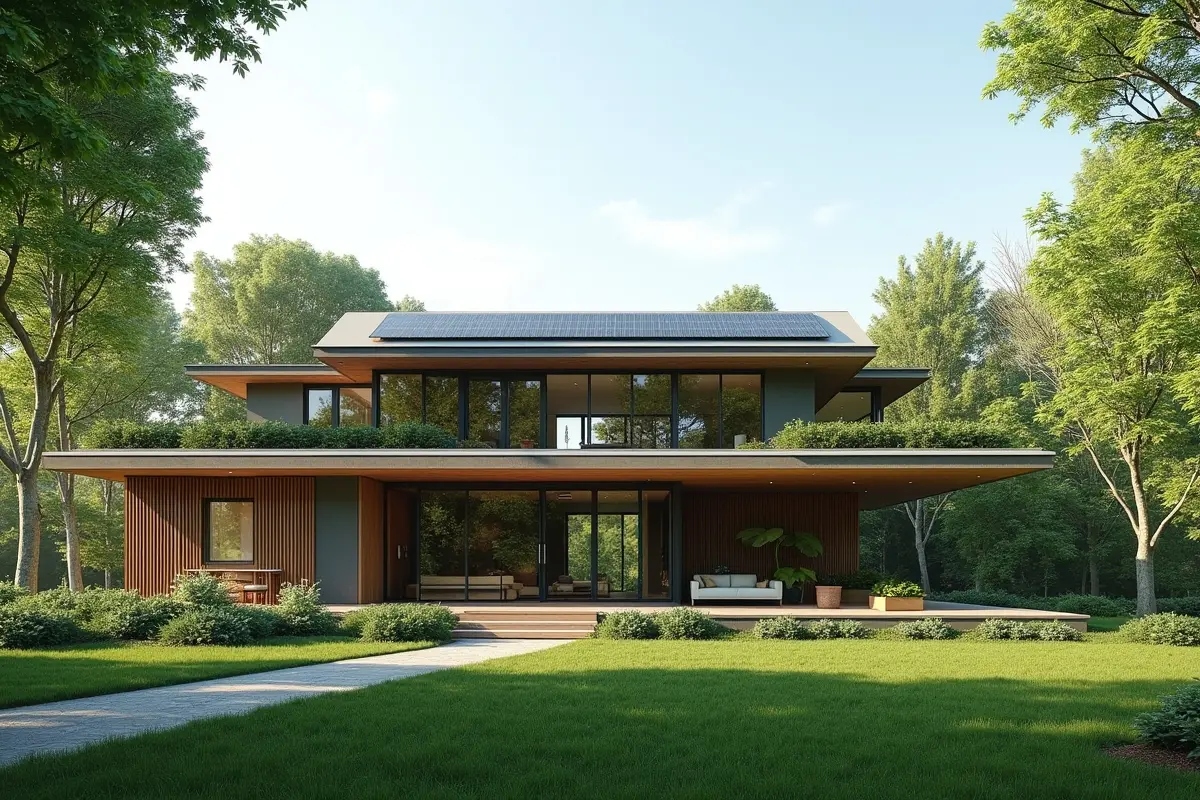
As more homeowners look for ways to reduce energy costs and live more sustainably, eco-friendly homes have become increasingly desirable. Features such as energy-efficient construction, smart technology, and sustainable building materials not only minimize environmental impact but also create healthier, more comfortable living spaces with lasting value.
In recent years, the real estate market has seen a growing emphasis on sustainability, with modern homebuyers prioritizing eco-friendly features that lower environmental impact while offering long-term savings and improved comfort. For those interested in finding such properties in Denver, Denver CO real estate agent Arturo Bugarin of Modern Homes Colorado helps clients explore architecturally distinctive homes designed with these sustainable trends in mind.
His expertise in modern, energy-efficient properties makes him a trusted guide for buyers seeking homes that blend style, functionality, and environmental responsibility.
Energy-Efficient Appliances and Fixtures
One of the most sought-after features in today’s homes is energy efficiency. This growing trend emphasizes not only cost savings for homeowners but also a commitment to sustainability. According to Realtor.com’s 2025 Home Trends Report, mentions of WaterSense fixtures, which reduce water use by at least 20%, increased by 289.6% year over year in listing descriptions.
Additionally, homes equipped with Energy Star-rated appliances are becoming standard, as they significantly lower utility bills and reduce carbon footprints. As buyers become increasingly eco-conscious, the demand for energy-efficient homes is likely to continue rising.
Smart Home Technology
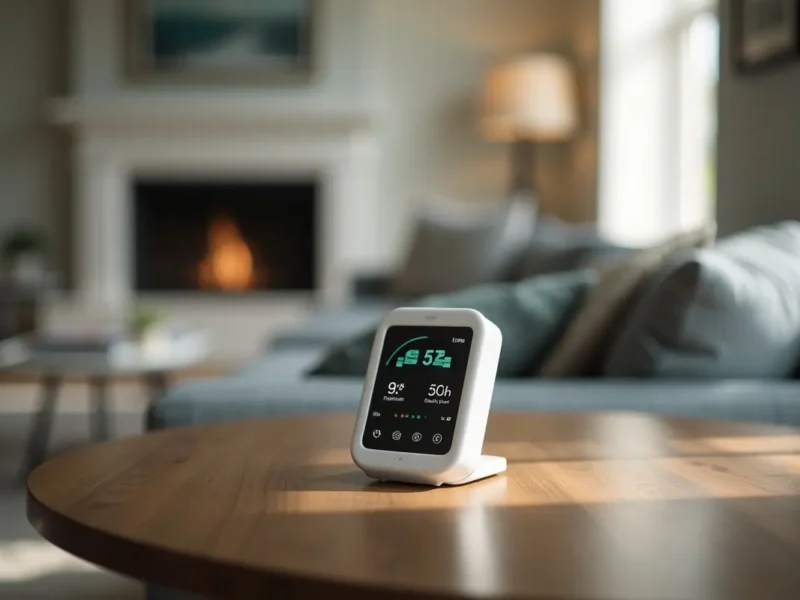
Integrating smart technology into homes is no longer a luxury but a necessity for many buyers. Features such as smart thermostats, energy-efficient lighting systems, and automated window treatments enable homeowners to monitor and control energy use effectively. These technologies not only provide convenience but also contribute to substantial energy savings over time. For instance, smart thermostats can learn a homeowner’s schedule and adjust temperatures accordingly, thereby optimizing energy consumption.
Sustainable Building Materials
The choice of building materials plays a crucial role in a home’s sustainability. There’s a growing trend towards using bio-based materials such as seaweed fabric, pineapple leather, and hemp-based wood substitutes. These materials are not only environmentally friendly but also durable and aesthetically pleasing. For example, hemp-based wood substitutes offer the strength and appearance of traditional wood without the associated deforestation.
Indoor-Outdoor Living Spaces
Modern buyers are increasingly interested in homes that offer seamless transitions between indoor and outdoor spaces. Biophilic design, which emphasizes the connection between humans and nature, is gaining popularity. Features like large sliding doors, outdoor kitchens, and landscaped gardens enhance this connection, promoting well-being and reducing stress. Homes that incorporate natural elements and ample natural light are particularly appealing to those seeking a harmonious living environment.
Electric Vehicle Charging Stations
With the rise of electric vehicles (EVs), a dedicated home EV charging station is becoming a desirable feature. Mentions of EV charging infrastructure in home listings have nearly doubled, reflecting the growing adoption of electric vehicles and the need for convenient home charging. This trend indicates a shift towards accommodating sustainable transportation options within residential properties.
Health and Wellness Features
Beyond environmental considerations, homeowners are focusing on health and wellness. Designers report an increase in requests for features that promote well-being, such as limiting Wi-Fi in bedrooms to create restful environments and incorporating furniture that improves air quality. Additionally, homes with improved ventilation systems and non-toxic building materials are in demand to ensure healthier indoor air quality. These features contribute to a holistic approach to sustainable living that prioritizes both environmental and personal health.
Longevity and Repairability
Durability and the ability to repair and maintain home features are becoming important considerations. Homeowners are seeking furniture and fixtures that last for decades, emphasizing quality craftsmanship and materials that can be easily repaired or refinished. This approach not only reduces waste but also ensures that homes remain functional and aesthetically pleasing over time. Investing in long-lasting materials and designs reflects a commitment to sustainability and resource conservation.
Conclusion
The shift towards eco-friendly home features reflects a broader awareness of environmental issues and a desire for sustainable living. Incorporating energy-efficient appliances, smart technology, sustainable materials, and health-focused designs not only benefits the planet but also enhances homeowners’ quality of life. As these trends continue to evolve, they are set to redefine the standards of modern living.